Exploring GyroStrim’s Potential in Treating Post-Stroke Symptoms
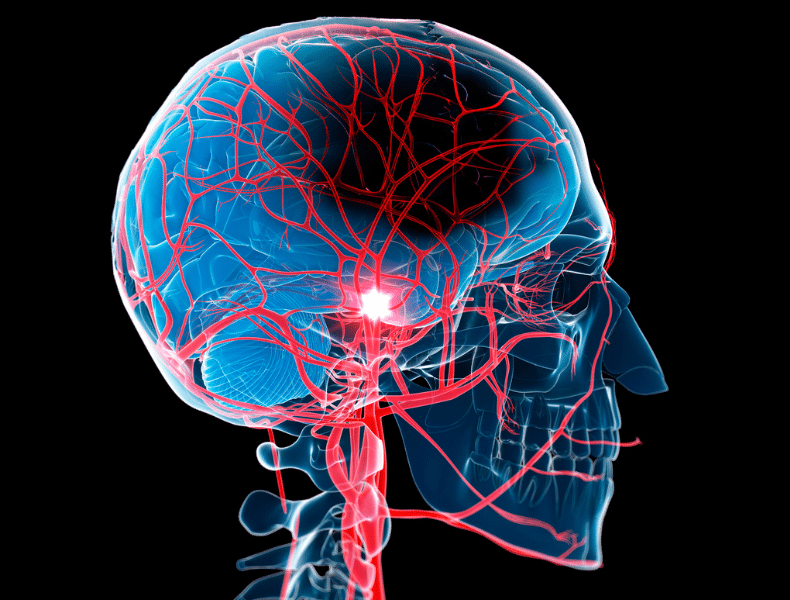
If you or someone you love has survived a stroke, you know that the effects can linger for a long time. Post-stroke symptoms can present significant challenges, impacting an individual's motor function, balance, and overall quality of life. Rehabilitation is often a slow process, and it’s not always easy. Fortunately, ongoing GyroStim research may be able to help change that.
GyroStim is an innovative therapeutic device that has been gaining attention for its potential in post-stroke rehabilitation. Utilizing rotational movements in a controlled environment, GyroStim offers a unique approach to address and potentially alleviate post-stroke symptoms, aiding in recovery and improving functional outcomes.
Naples Brain Center is proud to offer GyroStim therapy to those struggling with post-stroke symptoms and other neurological issues. If you’re curious about what GyroStim can do for you, don’t hesitate; reach out to us today!
Understanding Post-Stroke Symptoms
Stroke, a leading cause of disability worldwide, can result in a variety of physical and cognitive impairments. Common post-stroke symptoms include muscle weakness, paralysis, impaired coordination, balance issues, and difficulties with speech or cognitive functions. Rehabilitation plays a crucial role in helping individuals regain lost functions and improve their independence following a stroke.
Potential Benefits of GyroStim for Post-Stroke Rehabilitation
GyroStim is a specialized rotational chair system designed to provide controlled multi-axis movement experiences. Patients sit within the GyroStim capsule-like structure, which moves along various axes and can be adjusted to different speeds and patterns. This controlled rotation creates precise vestibular and proprioceptive stimulation, engaging the brain in adaptive responses to the changing environment.
Vestibular Rehabilitation
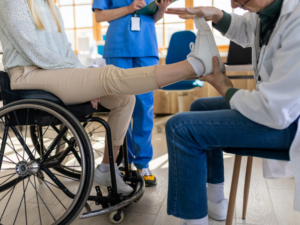
The vestibular system, responsible for balance and spatial orientation, often suffers damage during a stroke. GyroStim's rotational movements target and stimulate the vestibular system, aiding in its rehabilitation. The controlled motions within the device can thus help retrain and recalibrate the vestibular system, potentially improving balance and reducing dizziness or vertigo associated with post-stroke symptoms.
Neuroplasticity and Motor Recovery
GyroStim's unique rotational patterns offer sensory input that can induce neuroplastic changes in the brain. By engaging various neural pathways, it can promote neuroplasticity—the brain's ability to reorganize and form new connections. This stimulation facilitates motor learning and recovery, aiding in regaining motor functions affected by the stroke.
Cognitive Rehabilitation
While primarily targeting motor and vestibular functions, GyroStim's complex movements can also contribute to cognitive rehabilitation. The multi-sensory stimulation provided by GyroStim's rotations can help improve cognitive processes, such as attention, spatial awareness, and executive functions, aiding in overall cognitive recovery post-stroke.
Research and Clinical Applications
Studies exploring GyroStim's efficacy in post-stroke rehabilitation are ongoing, showcasing promising preliminary results. Clinical applications of GyroStim in stroke recovery typically involve personalized protocols tailored to individual needs. Therapists can adjust the speed, duration, and direction of rotations to address specific deficits and gradually progress as the patient's abilities improve.
Experience the Benefits of GyroStim at Naples Brain Center
As GyroStim research progresses and the understanding of GyroStim’s effects on post-stroke symptoms deepens, it holds the potential to revolutionize stroke rehabilitation, providing new avenues for improving functional outcomes and enhancing the quality of life for individuals on their journey toward recovery after a stroke.
Here at Naples Brain Center, we’re committed to providing our patients with the most innovative and cutting-edge treatment options currently available. GyroStim is just one of the many services we offer. No two patients are ever the same, which is why we always create personalized treatment plans to meet our patient’s unique needs. Schedule an appointment now and let us do the same for you!

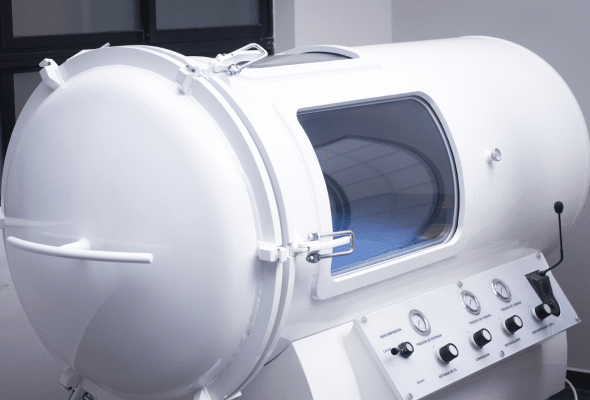
Cognitive Benefits of HBOT
One of the most exciting and versatile treatments we offer here at Naples Brain Center is hyperbaric oxygen therapy (HBOT). This non-invasive treatment involves breathing pure oxygen in a pressurized chamber, resulting in increased oxygen levels in the body's tissues.
Beyond its primary use in treating various medical conditions, one of the many benefits of HBOT is its ability to enhance a patient’s cognitive abilities. HBOT has the potential to positively influence brain function and to help individuals with various neurological conditions and cognitive impairments.
To learn more about HBOT’s benefits for cognitive function, schedule an appointment with Naples Brain Center today!
Understanding Hyperbaric Oxygen Therapy
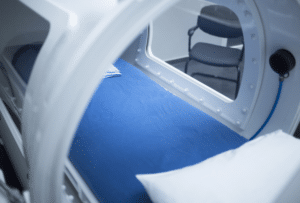
HBOT involves exposure to oxygen levels higher than atmospheric pressure while inside a hyperbaric chamber. The increased pressure enables the body to absorb more oxygen, which gets dissolved in the bloodstream and reaches tissues and organs at higher concentrations. This heightened oxygen availability stimulates healing processes, reduces inflammation, and promotes tissue repair.
Cognitive Benefits of HBOT
Enhanced Brain Function
Research suggests that HBOT may enhance cognitive function by improving oxygen delivery to the brain. Increased oxygenation supports neuronal activity, aiding in neurotransmission and promoting neural plasticity—the brain's ability to adapt and form new connections.
Neuroprotective Effects
HBOT's oxygen-rich environment has shown neuroprotective properties, potentially shielding the brain from damage caused by injury, stroke, or neurodegenerative diseases. It may help reduce inflammation, protect against oxidative stress, and promote the survival of brain cells.
Improved Cerebral Blood Flow
HBOT has been associated with enhanced cerebral blood flow, which is vital for optimal brain function. By increasing blood flow to areas affected by injury or reduced circulation, HBOT may support the brain's healing processes and mitigate cognitive impairments.
Applications in Neurological Conditions
Traumatic Brain Injury (TBI)
HBOT has shown promise in aiding recovery from traumatic brain injuries. Studies suggest that it may help reduce cognitive deficits, improve cognitive processing, and enhance functional outcomes for individuals with TBIs.
Stroke
Following a stroke, HBOT's ability to increase oxygen availability to affected brain regions may promote recovery by supporting damaged tissue and potentially restoring lost function.
Discover HBOT’s Benefits at Naples Brain Center
HBOT’s benefits in terms of cognitive function offer a mere glimpse into its broader applications beyond traditional medical uses. By enhancing oxygen delivery to the brain, HBOT shows promise in supporting brain function, aiding in neurorehabilitation, and potentially benefiting individuals with various neurological conditions.
Naples Brain Center is committed to offering patients the very best holistic neurological care. That’s why we always stay up-to-date with the latest research and advancements in HBOT, GyroStim, and other innovative forms of non-invasive neurological medicine. Let us help you discover the benefits of HBOT therapy. Contact us today!

Cybersickness: How Screen Time Impacts the Visual-Vestibular System
In an era dominated by digital screens, the phenomenon of cybersickness has emerged as an ongoing concern, affecting individuals who spend significant time engaged with virtual environments. Whether you’re young or old, spending your days hunched over a computer screen at work or swiping right on a smartphone in your bedroom, cybersickness can strike anyone, any time.
Similar to motion sickness, symptoms of cybersickness include nausea, dizziness, headaches, and more. But what causes this condition? More importantly, how can we mitigate the effects of excess screen time in time when so much of our daily lives depend on interacting with screens?
Nothing is more important to us here at Naples Brain Center than empowering people to maintain their neurological health. In this blog post, we’ll walk you through what cybersickness is, the root causes of it, and what you can do to safeguard your brain from its effects.
If you are concerned about your neurological health, don’t hesitate to contact Naples Brain Center today. Your well-being is our top priority.
What is Cybersickness?
Cybersickness refers to a collection of symptoms experienced when interacting with digital displays, virtual reality (VR) environments, or video games. Symptoms can range from nausea, dizziness, headaches, eyestrain, disorientation, and fatigue to, in severe cases, vomiting.
These discomforts occur due to visual-vestibular conflict. In short, this is a discrepancy between what the eyes perceive and what the vestibular system (responsible for balance and spatial orientation) senses.

What is Visual-Vestibular Conflict?
The human body comprises the visual system, interpreting information from our eyes, and the vestibular system, located in the inner ear, responsible for balance and spatial orientation. Normally, these systems work in harmony to maintain equilibrium. However, when conflicting signals reach the brain from these systems, it triggers the sensation of motion sickness.
Visual-vestibular conflict occurs when the visual system perceives motion from digital screens (such as scrolling, rapid movements, or perspective changes in video games or virtual reality), while the vestibular system senses a lack of corresponding physical movement. This discordance between visual cues and physical sensations confuses the brain, leading to cybersickness symptoms.
Excessive screen time exacerbates these issues, especially in children whose brains are still developing. With the proliferation of smartphones, computers, gaming consoles, and virtual reality devices, people spend more hours engaged with screens than ever before. Prolonged exposure intensifies the mismatch between visual and vestibular cues, increasing the likelihood of experiencing cybersickness symptoms
Mitigating the Effects of Excess Screen Time
Here are some practical tips to mitigate the effects of excessive screen time and reduce the risk of cybersickness:
- Follow the 20-20-20 rule: Every 20 minutes, take a 20-second break and focus your gaze on something at least 20 feet away. This practice helps alleviate eye strain and reduces the chances of cybersickness.
- Adjust screen settings: Optimize your screen's brightness, contrast, and color temperature to reduce eye strain. Use blue light filters or apps that adjust the screen's color temperature for a more comfortable viewing experience, especially before bedtime.
- Take regular breaks: Incorporate short breaks into screen-intensive activities. Stand up, stretch, or take a brief walk to refresh both your mind and body.
- Maintain proper posture: Sit in an ergonomic position while using screens. Ensure your screen is at eye level, and your chair provides adequate back support to prevent neck and back strain.
- Limit screen time: Establish boundaries and allocate specific periods for screen use. Set aside time for outdoor activities, hobbies, or social interactions that don't involve screens.
- Use distance viewing: When possible, switch to distance viewing by taking breaks outside or looking at distant objects. This practice helps relax the eyes and reduces the strain caused by continuous screen use.
- Stay hydrated and well-rested: Proper hydration and quality sleep play a significant role in reducing the impact of excessive screen time on overall well-being.
Step Away from the Screen and Contact Us Now!
Visual-vestibular conflict is just one of many common neurological issues plaguing people all across the country. Naples Brain Center was founded to help patients from all walks of life get the treatment they need for a wide range of neurological conditions.
From concussions and traumatic brain injuries to neurodegenerative disorders, our goal is to provide patients with the most effective holistic treatment options available. Whatever your problem, we can help. Don’t wait; get the care you need from the experts who know best. Schedule an appointment with Naples Brain Center today!
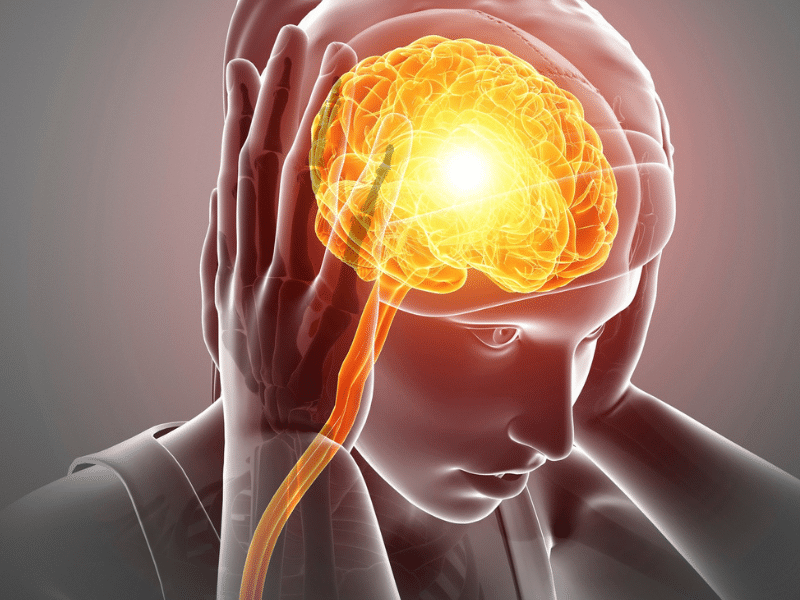
What Causes Migraines? Understanding the Migraine-Brain Connection
Characterized by intense, throbbing headaches often accompanied by sensory disturbances, migraines are complex neurological events that impact millions of individuals worldwide. But what causes migraines exactly? And what can be done to relieve the pain of those who suffer from them?
Naples Brain Center is committed to a holistic approach to healthcare. This means that our focus is on treating not just your symptoms, but you as a whole person. Doing that requires understanding the neurological causes behind a variety of conditions, including migraines.
What’s more, we believe that by helping you understand what causes migraines, we can empower you to make the best choices for your health, quality of life, and peace of mind. To learn more about what Naples Brain Center can do for you, don’t hesitate; call us today!
Are Migraines a Neurological Disorder?
Yes, migraines are classified as a neurological disorder due to their specific involvement of the nervous system. They are not (as some people mistakenly believe) merely severe headaches. Instead, they are complex events rooted in abnormal neurological processes. The brain's intricate network of neurons, neurotransmitters, and vascular components contributes to the initiation, progression, and resolution of migraines.
The classification of migraines as a neurological disorder is supported by extensive scientific research that has elucidated the intricate neurological pathways and mechanisms involved in migraine pathophysiology. Advanced imaging techniques like functional magnetic resonance imaging (fMRI) and electroencephalography (EEG) have provided valuable insights into the brain activity alterations during migraine attacks, further cementing their neurological basis.
Migraines' neurological nature is evident not only in the headache phase but also in the premonitory symptoms, aura, and postdrome experienced by many individuals. These phases often involve various neurological manifestations, such as sensory disturbances, visual changes, and alterations in mood and cognition, further emphasizing the condition's neurological underpinnings.
Neurological Pathways Involved in Migraines
Migraines are widely recognized as a neurological disorder due to their intricate involvement of the nervous system. These headaches often stem from abnormal brain activity that affects various areas, including the trigeminal nerve, brainstem, and cortical regions.
Neuro-Physiologic Imbalances
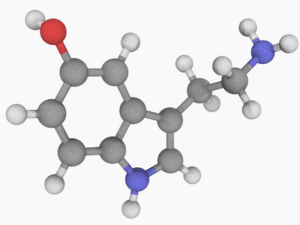
Neurotransmitters, the chemical messengers in the brain, also play a role in migraine pathophysiology. Imbalances in neurotransmitters like serotonin, dopamine, and calcitonin gene-related peptide (CGRP) have been associated with migraines. Serotonin levels, for instance, can impact blood vessel constriction and dilation, potentially influencing migraine onset.
Trigeminal Nerve Sensitization
One significant aspect of migraines involves the trigeminal nerve, a cranial nerve responsible for transmitting sensory information from the face to the brain. During a migraine attack, this nerve becomes sensitized, leading to the release of neuropeptides and inflammatory substances. This process results in the dilation of blood vessels and triggers the characteristic pain associated with migraines.
Cortical Spreading Depression
Another key neurological phenomenon implicated in migraines is cortical spreading depression (CSD). CSD involves a wave of neuronal hyperactivity followed by a temporary suppression of neural activity that propagates across the brain's cortex. This wave is believed to trigger visual disturbances (aura) experienced by some migraine sufferers before the onset of the headache phase.
Naples Brain Center Offers Holistic Migraine Treatment
It’s important to recognize that the answer to the question “Are migraines a neurological disorder?” is a resounding “yes.” This classification of migraines underscores the need for specialized neurological approaches in their management and treatment. Only by treating migraines as a serious and complex condition can patients truly get the care they need.
Here at Naples Brain Center, we believe that the best way to combat the effects of chronic migraines is through the creation of personalized, patient-centered treatment plans. We know that no two brains are exactly alike, and that’s why no two treatment plans should be exactly alike.
Let’s work together to build a specialized and (most importantly) effective treatment plan just for you. Schedule an appointment with Naples Brain Center now!
How Functional Neurology Can Help with Migraines
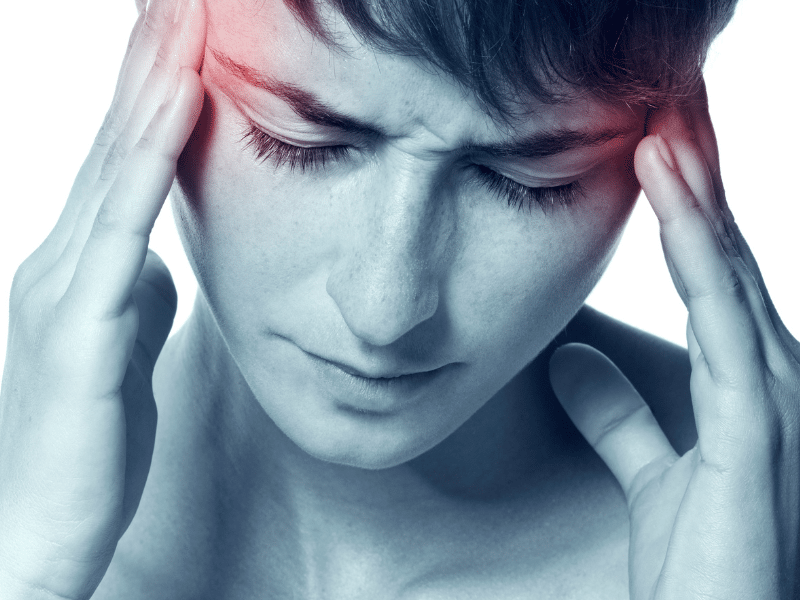
Migraines are more than just severe headaches; they can be incredibly debilitating, affecting one's quality of life and productivity. Individuals who suffer from chronic migraines depend on their migraine treatments to help them get through the day. If you’re still searching for a migraine treatment option that works for you, functional neurology might just be the key.
Functional neurology operates on the principle that the brain and nervous system's functionality significantly impacts an individual's overall health. It is a holistic approach to health that focuses on identifying and addressing neurological dysfunctions by assessing how the brain and nervous system communicate and function together.
Here at Naples Brain Center we believe that understanding the underlying neurological factors behind a patient’s migraine is crucial for both managing and preventing their occurrence. That’s why we’re proud to offer a range of Naples functional neurology services. Schedule an appointment with us today to learn more!
The Neuroscience of Migraines
Migraines involve complex neurological processes. They result from a combination of alterations in blood flow, neurotransmitter imbalances, and changes in brain activity. Factors such as genetics, hormonal fluctuations, environmental triggers, and stress can all contribute to the onset and frequency of migraines.
Functional neurology aims to delve deeper into these factors. Through comprehensive neurological examinations, including assessments of eye movements, balance, coordination, and cognitive functions, practitioners aim to identify irregularities or dysfunctions in the nervous system. These assessments help form personalized treatment plans to address the root causes triggering migraines.
Approaches to Migraine Treatment in Functional Neurology
Functional neurology doesn't rely solely on medications or invasive procedures. Instead, it emphasizes a holistic approach that may include various non-invasive techniques and lifestyle modifications to support neurological health and reduce migraine occurrences.
1. Neurological Rehabilitation
Functional neurology employs neurological rehabilitation exercises tailored to the individual's specific needs. These exercises aim to improve brain function and connectivity. For instance, eye movement exercises or vestibular rehabilitation can help address sensory integration issues, potentially reducing migraine triggers associated with these dysfunctions.
2. Nutritional and Lifestyle Modifications
Dietary adjustments and lifestyle modifications also play a pivotal role. Identifying trigger foods and making dietary changes can significantly impact migraine frequency and severity. Additionally, stress management techniques, adequate sleep patterns, and regular exercise contribute to overall neurological health and may reduce migraine occurrences.
Try Functional Therapy Migraine Treatment Today!
One of the key strengths of functional neurology in managing migraines lies in personalized treatment plans. Rather than adopting a one-size-fits-all approach, practitioners tailor interventions based on the individual's specific neurological profile. By identifying and addressing unique neurological dysfunctions, functional neurology offers a more targeted, effective, and patient-centered approach to migraine treatment.
This holistic and personalized form of care is a veritable beacon of hope for migraine sufferers seeking alternative or adjunctive therapies beyond conventional treatments. For that reason, Naples Brain Center is proud to offer a variety of Naples functional therapy options. Don’t let chronic migraine negatively impact your quality of life; visit Naples Brain Center to get the help you need!