
Managing Calcium Dysregulation in Concussion Recovery
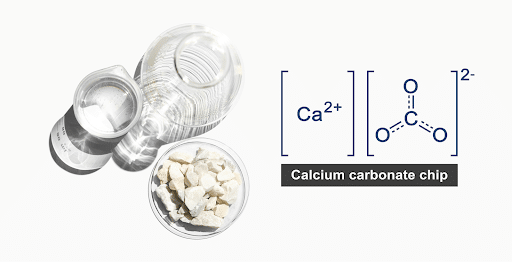
Concussions are often underestimated in terms of the complex biochemical changes they cause within the brain. While immediate symptoms such as headaches and dizziness are more obvious, the underlying cellular disturbances are far more intricate. One of the key processes disrupted after a concussion is calcium homeostasis. Calcium ions (Ca2+) play a critical role in many cellular functions, including signal transmission, muscle contraction, and energy production. However, after a concussion, calcium regulation becomes dysfunctional, contributing to a cascade of problems that can delay recovery and exacerbate symptoms.
Keep reading, as we will begin to explore the impact of calcium dysregulation on brain health following a concussion as well as discuss strategies to manage and mitigate its effects during recovery. By understanding how calcium contributes to both immediate and prolonged symptoms, healthcare professionals and patients can better tailor treatment plans for optimal recovery outcomes.
The Role of Calcium in Neuronal Function
Calcium is essential for neuronal function and signaling. It acts as a messenger that helps transmit signals between neurons by facilitating the release of neurotransmitters across synapses. Calcium also plays a vital role in maintaining the balance of excitatory and inhibitory signals in the brain, helping regulate brain activity. Under normal conditions, neurons tightly regulate calcium levels to ensure proper functioning. Mitochondria and the endoplasmic reticulum act as reservoirs for calcium, releasing it when needed and sequestering it when its levels become too high.
However, when a concussion occurs, the mechanical impact disrupts the cell membranes and leads to a massive influx of calcium into neurons. This excess calcium can overwhelm the cells, triggering a chain reaction that impairs cellular processes, damages mitochondria, and disrupts energy production. The result is an energy crisis in the brain, which contributes to the neurometabolic cascade of concussion.
Calcium Dysregulation and the Neurometabolic Cascade
The neurometabolic cascade that follows a concussion is a series of biochemical reactions that disrupt normal brain function. One of the central components of this cascade is calcium dysregulation. After a concussion, neurons experience a surge in calcium influx, which impairs their ability to function properly. Excess calcium in the cells activates harmful enzymes, such as calpains, which break down proteins and other cellular components, leading to cell death.
This influx of calcium also overwhelms the mitochondria, the energy-producing centers of the cells. Mitochondria are responsible for generating ATP (adenosine triphosphate), the energy currency of cells. However, when overloaded with calcium, mitochondria become dysfunctional and unable to produce sufficient ATP. This contributes to the brain’s energy crisis following a concussion, further impairing cognitive function and prolonging symptoms.
Moreover, calcium dysregulation can trigger oxidative stress, a condition where harmful reactive oxygen species (ROS) are produced in excessive amounts. These ROS cause damage to cellular structures, including membranes, proteins, and DNA. The combination of oxidative stress and impaired energy production creates an environment where the brain cannot heal effectively, leading to persistent symptoms such as headaches, cognitive impairments, and mood disturbances.
The Long-Term Impact of Calcium Dysregulation
If calcium dysregulation is not addressed early in the concussion recovery process, it can lead to long-term consequences. Persistent calcium overload in neurons has been linked to the development of neurodegenerative disorders, such as Alzheimer’s and Parkinson’s disease. Research has shown that chronic calcium dysregulation contributes to the buildup of toxic proteins, such as beta-amyloid, which are associated with neurodegenerative conditions.
Additionally, prolonged calcium imbalances can disrupt the brain’s ability to form new connections, a process known as synaptic plasticity. Synaptic plasticity is critical for learning, memory, and cognitive flexibility. Without proper calcium regulation, the brain becomes less capable of adapting and recovering from the initial injury. This is one reason why some patients experience Post-Concussion Syndrome (PCS), where symptoms such as memory problems, concentration difficulties, and mood disorders persist for months or even years after the initial concussion.
Strategies to Manage Calcium Dysregulation in Concussion Recovery
Given the critical role that calcium plays in both the acute and long-term phases of concussion recovery, managing calcium dysregulation is essential for improving outcomes. Several strategies have emerged that focus on restoring calcium balance and protecting neurons from the damaging effects of calcium overload.
1. Magnesium Supplementation
Magnesium is a natural antagonist to calcium and plays a crucial role in maintaining calcium balance within neurons. After a concussion, magnesium levels often drop, which exacerbates calcium dysregulation. Supplementing with magnesium can help restore this balance by preventing excessive calcium influx and supporting mitochondrial function.
Research has shown that magnesium supplementation can reduce the severity of concussion symptoms and improve recovery outcomes. By stabilizing calcium levels, magnesium helps protect neurons from damage and supports the brain’s ability to generate energy. In addition to magnesium supplementation, maintaining adequate hydration is important, as dehydration can exacerbate electrolyte imbalances, including calcium dysregulation.
2. Mitochondrial Support
Since calcium dysregulation primarily affects mitochondria, supporting mitochondrial function is a key strategy for managing calcium imbalances. Nutritional interventions can help protect mitochondria from oxidative damage and improve their ability to produce ATP. These supplements act as antioxidants, neutralizing reactive oxygen species and reducing oxidative stress.
Hyperbaric oxygen ketone therapy (HBOKT) is another approach that has been shown to enhance mitochondrial function by increasing oxygen delivery to damaged brain tissues. HBOKT can improve energy production and reduce the effects of calcium dysregulation by supporting cellular repair mechanisms. Research suggests that combining HBOKT with other treatments, such as nutritional support and light therapy, may offer synergistic benefits in concussion recovery.
3. Low-Level Laser Therapy (LLLT)
Low-Level Laser Therapy (LLLT) has shown promise in addressing calcium dysregulation by stimulating cellular repair and reducing inflammation. LLLT uses light energy to penetrate the scalp and reach brain cells, where it interacts with mitochondria to enhance ATP production and improve calcium homeostasis. Studies have found that LLLT can reduce oxidative stress and inflammation, both of which are exacerbated by calcium overload in the brain.
By improving mitochondrial function and reducing calcium imbalances, LLLT can help accelerate recovery and alleviate symptoms such as headaches, cognitive impairments, and mood disturbances. This non-invasive therapy is particularly useful for patients with persistent symptoms of Post-Concussion Syndrome.
The Importance of Early Intervention
Calcium dysregulation begins immediately after a concussion, making early intervention critical to preventing long-term damage. The sooner that therapies targeting calcium balance are implemented, the greater the chances of preventing prolonged symptoms and cognitive decline. For patients with a history of multiple concussions or those who experience persistent symptoms, proactive management of calcium dysregulation is especially important for preventing chronic neurological issues.
Healthcare providers should assess calcium regulation as part of the initial evaluation following a concussion and implement strategic support. Early intervention can make a significant difference in the recovery trajectory, reducing the risk of long-term complications and improving overall brain health.
How We Can Help
At Naples Brain Center, we understand the importance of managing calcium dysregulation in patients recovering from concussions. Our approach integrates innovative therapies such as hyperbaric oxygen therapy, low-level laser therapy, and nutritional interventions to restore calcium balance and support mitochondrial function. By addressing calcium dysregulation early, we help patients recover more quickly and prevent long-term complications.
If you've recently experienced a concussion, don't wait to seek treatment. Early intervention is key to preventing prolonged symptoms and ensuring a full recovery. Take the first step by filling out our phone consultation request form today. The knowledge and care you receive at Naples Brain Center will set you on the path to healing.

Is the Neurometabolic Cascade of Your Concussion Being Addressed by Your Concussion Specialist?

The neurometabolic cascade of concussion (NMCC) refers to the complex biochemical processes that occur following a concussion and can lead to significant brain energy deficits and prolonged recovery from a concussion when not adequately addressed. Prioritizing the treatment of the neurometabolic cascade of concussion (NMCC) is a key factor in Dr. Dane's remarkable success with patients suffering from both acute concussions and post-concussion syndrome. Dr. Dane is deeply committed to addressing this often under-treated aspect of concussion management. Recognizing its importance, she will conduct a training session for her colleagues in October 2024, where she will share her expertise on the NMCC and effective treatment strategies. As a trailblazer in her field, Dr. Dane's colleagues consistently value her insights as she seamlessly integrates cutting-edge medical research into everyday patient care—resulting in outstanding outcomes.
The Neurometabolic Cascade of Concussion
In 2001, Giza and Hovda defined the NMCC and then expanded their research in 2014. Since then, over 400 other research articles have cited this landmark information.
The cascade starts immediately following the biomechanical injury which includes the impact and neuronal stretching. The main issue that results from the NMCC is an energy crisis in the brain. This means the energy demand is greater than energy production. What causes the energy crisis is multifactorial and described in detail by the NMCC. The goal of this article is to highlight and summarize the main causes associated with the NMCC: (1) increased glutamate, (2) a massive efflux of potassium, and (3) poor mitochondrial function. It is also essential to understand that the NMCC is happening in the presence of decreased cerebral blood flow, which further contributes to the energy crisis.
Increased Glutamate Levels
A concussion’s impact leads to increased release of an excitatory amino acid called glutamate. Glutamate hinders cellular transport of glucose into cells, where the mitochondria can turn glucose into ATP (adenosine triphosphate) the fuel substrate for all cells. High glutamate levels also promote the efflux of potassium out of the cells, which leads to excitotoxicity and is associated with noise and light sensitivity and irritability.
Potassium Efflux
The sodium-potassium (Na-K) pump is essential for regulating cellular homeostasis. The pump runs on ATP. ATP, or adenosine triphosphate, is the energy currency of cells. When there is a massive efflux (moving out of the cell) of potassium, the Na-K pump's demand for ATP increases to get the potassium back in the cell. This creates a high demand for glucose so that ATP can be produced in higher quantities. At this point, there is an increase in glycolysis, which leads to lactate accumulation.
Mitochondrial Dysfunction
The increased need for ATP production by the mitochondria is impaired by calcium overload. This leads to poor mitochondrial function and ATP production due to impaired oxidative metabolism. The process by which glucose is turned into ATP is an oxidative process.
Other important components of the NMCC
Lactate accumulation - Elevated lactate levels can impair neuronal function through a series of mechanisms:
- Inducing acidosis
- Causing membrane damage
- Altering blood-brain barrier permeability
- Leading to cerebral edema
- Promoting Amyloid-β protein deposition
Lactylation-associated pathology includes cancer, neuropsychiatric illness, multiple sclerosis, and Alzheimer's disease.
Reductions in Magnesium
Intracellular magnesium levels are also immediately reduced after TBI and remain low for up to 4 days. This reduction has been correlated with post-injury neurologic deficits.
- Both glycolytic and oxidative generation of ATP are impaired when magnesium levels are low.
- Magnesium is necessary for maintaining the cellular membrane potential and initiating protein synthesis.
- Low magnesium levels may effectively unblock the NMDA receptor channel more easily, leading to a greater influx of Ca2+.
Immunoexcitotoxicity
Recent studies suggest that mild TBI triggers inflammatory changes. The studies report extensive upregulation of cytokine and inflammatory genes after TBI.
Microglial activation after adult FPI (fluid percussion injury) has been associated with damage to the substantia nigra and implicated in the increased risk for parkinsonism after TBI.
A theory relating glutamate release and activation of immune receptors to oxidative stress and potentially later cellular injury has been proposed and termed “immunoexcitotoxicity.”
Treating the Neurometabolic Cascade of Concussion
At Naples Brain Center, Dr. Dane, has developed protocols specifically to address the NMCC. The treatments dampen increased levels of glutamate, increase fuel, improve mitochondrial function, dampen inflammatory responses, and improve cerebral blood flow.
Ketones1,2,3,4,5
Ketone bodies, specifically Beta-Hydroxybutyrate (BHB), can be produced by your own body by following a ketogenic diet or taken exogenously. BHB provides alternative fuel when glucose availability is compromised and have garnered interest for their potential health benefits and applications in concussion and other types of traumatic brain injuries. Studies suggest that administering ketones to TBI patients could significantly aid in their recovery and provide a promising nonpharmacologic treatment for TBI.
- Ketone bodies (KBs) can help address post-traumatic cerebral energy deficits. Exogenous ketone ester supplementation has been shown to be the brain’s preferred energy source, even when glucose is readily available.
- Ketone bodies reduce inflammation, oxidative stress, and neurodegeneration. KBs directly regulate mitochondrial permeability transition, thus affecting the regulation of intracellular calcium levels.
- Ketone bodies limit glutamate release and upregulate GAD1, increasing glutamate conversion to GABA.
- Preliminary evidence suggests that inducing ketosis with exogenous ketones may help improve cognitive and motor performance in conditions such as seizure disorders, mild cognitive impairment, Alzheimer's disease, and neurotrauma.
Transcranial Low-Level Laser Therapy (tLLLT)6,7
The NMCC results in an energy crisis involving mitochondrial function in an environment with reduced cerebral blood flow. Vascular damage causes hypoxia associated with high levels of glycolysis, reduced ATP generation, increased formation of reactive oxygen species (ROS), and apoptosis (cell death).
Light absorption in the electron transport chain of the mitochondria reduces brain damage and supports the brain's natural repair processes after injury by producing a shift in the mitochondria's redox state, leading to the regulation of transcription factors and redox-sensitive genes.
Transcranial low-level laser profoundly and positively affects mitochondrial function, decreases tissue edema and inflammation, decreases excitotoxicity, improves cerebral blood flow, and increases angiogenesis, synaptogenesis, neurotrophins, and neural progenitor cells.
Combining low-level lasers with specific energy sources and substances that influence energy production significantly enhances the therapy's neuroprotective and therapeutic effects. This combined approach holds great promise, particularly in tissues with low energy production, such as the injured brain. It has shown encouraging results in protecting the hippocampal region and restoring cognitive and learning abilities and motor function.
Mild Hyperbaric Oxygen Therapy8,9,10
Hyperbaric oxygen therapy targets TBI-induced ischemia by producing an increased O2 concentration in the plasma and, thus, improved delivery of O2 for diffusion to brain tissue.
Cerebral blood flow is normally regulated by cerebral metabolism. This metabolic coupling is improved by HBOT.
Apoptosis within the hippocampus and general hippocampal neuronal integrity have also been repeatedly shown to benefit from HBO2, potentially through an anti-inflammatory mechanism. Biomarkers, including neutrophil infiltration, TNF-a, IL-1b, IL-6, IL-10, and MCP1, were reduced following HBOT, and subjects had consistently better functional outcomes and reduced lesion volumes.
Additional support for HBOT’s neuroprotective effect after TBI includes findings of reduced blood-brain barrier (BBB) permeability and dysfunction and infarction volume, as well as increased neuronal density, neuronal integrity, neurogenesis, synaptogenesis, and axonal integrity.
Mild hyperbaric oxygen improves oxidative metabolism in cells and tissues without barotrauma and excessive production of reactive oxygen species. Symptom improvement was greatest at 1.3ATM.
Your Concussion Rehabilitation Starts at Naples Brain Center
After reading all this, you might wonder, “Why has no one ever mentioned this?” The positive takeaway is that you are now more educated about the pathophysiology of concussions and other types of traumatic brain injuries than most people. Knowledge is POWER!
For the person who just had a concussion, many times, you don’t feel well enough to start treatment, and sometimes, all you need is help in calming down the NMCC. If you can lie in bed, you can lie in our extra-large hyperbaric chamber. For the acute patient, we do a combination of hyperbaric oxygen ketone therapy and transcranial low-level laser therapy to start you on the road to recovery. Because many concussions are self-limiting, this may be the only treatment you need!
For the post-concussive patient who is not recovering on their own, we still need to reverse the effects of the NMCC using these same innovative strategies. In addition, we tailor a rehabilitation journey just for you that will be done at home and here in the office. Combination home and office strategies save you time and money. For more complex cases, we offer intensive therapy here at the office before moving to the blended in-office and at-home strategy.
To start the conversation, fill out our phone consultation request form. The call is free but the knowledge is priceless.
References
1 Daines, S. A. (2021). The Therapeutic Potential and Limitations of Ketones in Traumatic Brain Injury. Frontiers in Neurology, 12, 723148. https://doi.org/10.3389/fneur.2021.723148
2 Edwards, M. G., Andersen, J. R., Curtis, D. J., Riberholt, C. G., & Poulsen, I. (2024). Diet-induced ketosis in adult patients with subacute acquired brain injury: A feasibility study. Frontiers in Medicine, 10, 1305888. https://doi.org/10.3389/fmed.2023.1305888
3 Paoli, A., Moro, T., Bosco, G., Bianco, A., Grimaldi, K. A., Camporesi, E., & Mangar, D. (2015). Effects of n-3 polyunsaturated fatty acids (ω-3) supplementation on some cardiovascular risk factors with a ketogenic Mediterranean diet. Marine drugs, 13(2), 996–1009. https://doi.org/10.3390/md13020996
4 Poff, A. M., Moss, S., Soliven, M., & P., D. (2021). Ketone Supplementation: Meeting the Needs of the Brain in an Energy Crisis. Frontiers in Nutrition, 8, 783659. https://doi.org/10.3389/fnut.2021.783659
5 Sethi, S., Wakeham, D., Ketter, T., Hooshmand, F., Bjornstad, J., Richards, B., Westman, E., Krauss, R. M., & Saslow, L. (2024). Ketogenic Diet Intervention on Metabolic and Psychiatric Health in Bipolar and Schizophrenia: A Pilot Trial. Psychiatry Research, 335, 115866. https://doi.org/10.1016/j.psychres.2024.115866
6 Khuman J, Zhang J, Park J, Carroll JD, Donahue C, Whalen MJ. Low-level laser light therapy improves cognitive deficits and inhibits microglial activation after controlled cortical impact in mice. J Neurotrauma 2012;29:408–417
7 Thunshelle, C., & Hamblin, M. R. (2016). Transcranial Low-Level Laser (Light) Therapy for Brain Injury. Photomedicine and Laser Surgery, 34(12), 587-598. https://doi.org/10.1089/pho.2015.4051
8 Daly, S., Thorpe, M., Rockswold, S., Hubbard, M., Bergman, T., Samadani, U., & Rockswold, G. (2018). Hyperbaric Oxygen Therapy in the Treatment of Acute Severe Traumatic Brain Injury: A Systematic Review. Journal of neurotrauma, 35(4), 623–629. https://doi.org/10.1089/neu.2017.5225
9 Harch P. G. (2022). Systematic Review and Dosage Analysis: Hyperbaric Oxygen Therapy Efficacy in Mild Traumatic Brain Injury Persistent Postconcussion Syndrome. Frontiers in neurology, 13, 815056. https://doi.org/10.3389/fneur.2022.815056
10 Ishihara A. (2019). Mild hyperbaric oxygen: mechanisms and effects. The journal of physiological sciences : JPS, 69(4), 573–580. https://doi.org/10.1007/s12576-019-00678-5

I’m Dizzy and Sometimes Off Balance: Could I have a Vestibular Disorder?
 Feeling dizzy or off balance can be unsettling and frustrating. You might wonder what's causing these sensations and how to get back to feeling steady. One possible cause could be a vestibular disorder. As a chiropractic neurologist, I want to help you understand what vestibular disorders are and how we can address them together.
Understanding Vestibular Disorders
Your vestibular system, located in your inner ear, plays a crucial role in maintaining your balance and spatial orientation. When something goes wrong with this system, you might experience dizziness, vertigo (a spinning sensation), imbalance, and other related symptoms. These issues can stem from various causes, including infections, injuries, or even aging.
Common Symptoms of Vestibular Disorders
- Dizziness: A feeling of lightheadedness or unsteadiness.
- Vertigo: The sensation that you or your surroundings are spinning.
- Balance Issues: Difficulty standing or walking without falling.
- Nausea: Feeling sick to your stomach, sometimes accompanied by vomiting.
- Visual Disturbances: Blurry vision or difficulty focusing.
If you're experiencing any of these symptoms, it's essential to seek help from a specialist who understands vestibular disorders and can use vertigo treatments to help.
The Role of a Vestibular Specialist
A vestibular specialist can accurately diagnose and treat vestibular disorders. These professionals have specialized training to pinpoint the exact cause of your symptoms and develop an effective treatment plan. As a chiropractic neurologist, I combine my expertise in both chiropractic care and neurology to offer a unique approach to managing vestibular disorders.
Why Choose a Chiropractic Neurologist?
Chiropractic neurologists are trained to understand the complex relationship between your nervous system and overall health. We use non-invasive techniques to address the root cause of your symptoms. Here are some ways that a chiropractic neurologist can help:
- Comprehensive Evaluation: I will conduct a thorough assessment of your symptoms, medical history, and any previous treatments you've tried. This helps us understand the underlying issues affecting your vestibular system.
- Personalized Treatment Plan: Based on your evaluation, I will create a customized treatment plan tailored to your specific needs. This plan may include exercises, lifestyle changes, and chiropractic adjustments to improve your balance and reduce dizziness.
- Non-Invasive Techniques: My approach focuses on gentle, non-invasive techniques that promote healing without the need for medication or surgery. This can include vestibular rehabilitation exercises, balance training, and specific chiropractic adjustments.
- Ongoing Support: Managing a vestibular disorder is an ongoing process. I provide continuous support and adjustments to your treatment plan as needed, ensuring you make steady progress and regain your balance.
How Chiropractic Care Can Help
Chiropractic care is a holistic approach that focuses on the body's ability to heal itself. By ensuring your nervous system is functioning optimally, chiropractic care can help alleviate symptoms of vestibular disorders. Here are some ways it can help:
Improving Balance and Coordination
Vestibular rehabilitation exercises are a cornerstone of treating vestibular disorders. These exercises aim to retrain your brain to process balance signals more effectively. As a chiropractic neurologist, I can guide you through specific exercises designed to improve your balance and coordination.
Reducing Dizziness and Vertigo
Chiropractic adjustments can help realign your spine and improve the function of your nervous system. This can reduce the frequency and intensity of dizziness and vertigo episodes. By addressing any misalignments in your spine, we can ensure that your nervous system communicates effectively with your vestibular system.
Enhancing Overall Well-being
A well-functioning nervous system is crucial for overall health. Chiropractic care not only helps with vestibular disorders but also enhances your overall well-being. By improving your nervous system's function, you may experience better sleep, reduced stress, and increased energy levels.
Diving Deeper into Vestibular Disorders
Now that we have a basic understanding of vestibular disorders and how chiropractic care can help, let’s delve deeper into some specific aspects of these conditions.
Types of Vestibular Disorders
There are several types of vestibular disorders, each with its own set of causes and symptoms. Some of the most common include:
Benign Paroxysmal Positional Vertigo (BPPV)
BPPV is one of the most common causes of vertigo. It occurs when tiny calcium particles, known as canaliths, become dislodged and enter the semicircular canals of your inner ear. This can cause brief episodes of vertigo when you move your head in certain ways.
Meniere’s Disease
Meniere’s disease is a chronic condition that affects the inner ear. It can cause vertigo, hearing loss, tinnitus (ringing in the ears), and a feeling of fullness in the ear. The exact cause of Meniere’s disease is unknown, but it is thought to be related to fluid buildup in the inner ear.
Vestibular Neuritis
Vestibular neuritis is an inflammation of the vestibular nerve, which carries balance signals from your inner ear to your brain. This condition often results in severe vertigo, dizziness, and balance issues, but does not affect hearing.
Labyrinthitis
Labyrinthitis is similar to vestibular neuritis but also affects the cochlea, a part of the inner ear responsible for hearing. This can cause both vertigo and hearing loss.
Diagnosing Vestibular Disorders
Diagnosing vestibular disorders requires a comprehensive evaluation, including a detailed medical history and various tests to assess your balance and hearing. As a vestibular doctor, I use several diagnostic tools to pinpoint the exact nature of your disorder:
- Audiometric Testing: To evaluate your hearing function.
- Videonystagmography (VNG): To assess eye movements and balance function.
- Rotary Chair Testing: To test the vestibular system’s response to movement.
- Posturography: To measure how well you can maintain your balance under different conditions.
Personalized Treatment Plans
Once we have a clear diagnosis, we can develop a personalized treatment plan tailored to your specific needs. Treatment plans for vestibular disorders often include a combination of the following approaches:
Vestibular Rehabilitation Therapy (VRT)
VRT involves specific exercises designed to improve your balance and reduce dizziness. These exercises help retrain your brain to process balance signals correctly. VRT can be incredibly effective for conditions like BPPV, vestibular neuritis, and labyrinthitis.
Chiropractic Adjustments
Chiropractic adjustments can help improve the function of your nervous system, which in turn can alleviate symptoms of vestibular disorders. By ensuring that your spine and nervous system are properly aligned, we can enhance your body’s ability to maintain balance and coordination.
Nutritional Counseling
Diet can play a significant role in managing symptoms of vestibular disorders. For instance, reducing salt intake can help manage Meniere’s disease by minimizing fluid retention in the inner ear. As part of your treatment plan, I can provide guidance on dietary changes that may benefit your condition.
Stress Management
Stress can exacerbate symptoms of vestibular disorders. Incorporating stress management techniques such as mindfulness, meditation, and gentle exercise can help reduce symptoms and improve your overall well-being.
Living with a Vestibular Disorder
Living with a vestibular disorder can be challenging, but with the right treatment and support, you can manage your symptoms and improve your quality of life. Here are some tips for coping with vestibular disorders:
Stay Active
Regular physical activity can help improve your balance and overall health. Gentle exercises like walking, yoga, and tai chi can be particularly beneficial.
Maintain a Healthy Diet
A balanced diet rich in fruits, vegetables, lean proteins, and whole grains can support your overall health and well-being. If you have Meniere’s disease, reducing salt intake can help manage your symptoms.
Stay Hydrated
Dehydration can worsen symptoms of dizziness and imbalance. Make sure to drink plenty of water throughout the day.
Manage Stress
Chronic stress can make vestibular symptoms worse. Incorporate stress management techniques such as deep breathing, meditation, and relaxation exercises into your daily routine.
Seek Support
Living with a vestibular disorder can be isolating, but you don’t have to go through it alone. Seek support from family, friends, or support groups to share your experiences and find encouragement.
Taking the First Step
If you're tired of feeling dizzy and off balance, it's time to take action. As a vestibular specialist in Naples, FL, we are here to help you regain your stability and improve your quality of life. With the right approach and support, you can overcome the challenges of a vestibular disorder and feel like yourself again.
To schedule a consultation, visit our website to schedule online or call us today. Let’s work together to find the root cause of your symptoms and create a path to better health.
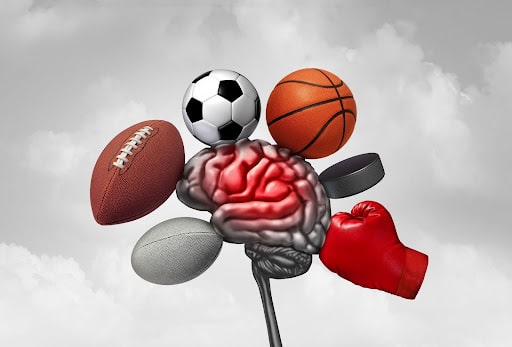
Dealing With Concussions as a Young Adult
 Concussions are a serious issue, especially for young adults. At Naples Brain Center, we see firsthand how important it is to take brain health seriously, especially when it comes to concussions. In this article, we’ll dive into what concussions are, the differences between getting a concussion as a child versus as a young adult, and why it’s so important to focus on brain health.
Understanding Concussions
A concussion is a type of brain injury caused by a bump, blow, or jolt to the head. This sudden movement can make the brain bounce around or twist in the skull, creating chemical changes and sometimes damaging brain cells. Concussions can affect memory, judgment, reflexes, speech, balance, and coordination. The symptoms might show up right after the injury or not until days later. Common signs include headaches, confusion, dizziness, nausea, and sometimes loss of consciousness.
Concussions can happen to anyone at any time. Whether you’re playing sports, involved in a car accident, or even just taking a hard fall, the risk is there. The brain is a sensitive organ, and even a seemingly minor hit can have significant consequences. This is why it’s crucial to recognize the signs and symptoms of a concussion and take immediate action if you suspect you have one.
Concussions in Children vs. Young Adults
Children:
When children get concussions, their brains are still developing. This means they might recover more quickly in some cases, but they also face unique risks. Their brain tissues are more pliable, which can sometimes result in less immediate damage but can cause more long-term issues. Children might have trouble explaining how they feel, making it harder for parents and doctors to understand the severity of the injury. It's also essential to consider their academic and social development. Missing school and activities due to concussion symptoms can significantly impact their growth and learning.
Additionally, children’s brains are more susceptible to the effects of a second concussion if they haven’t fully recovered from the first one. This condition, known as second impact syndrome, can lead to severe complications, including brain swelling and even death. Therefore, it’s crucial for parents and caregivers to ensure children fully recover before returning to any activities that might put them at risk for another head injury.
Young Adults:
For young adults, the situation is different. While their brains have mostly developed, they are more likely to experience lasting effects from concussions. This age group is often involved in high-risk activities like sports, driving, and physically demanding jobs. The pressure to perform academically and socially can also lead to pushing through symptoms rather than resting, which is crucial for recovery. Additionally, young adults are at a stage where they’re making significant life decisions, and a concussion can disrupt plans, career paths, and overall life goals.
Young adults may also face challenges in recognizing the severity of their injury. There’s a tendency to downplay symptoms or attribute them to other causes like stress or lack of sleep. This can delay seeking proper treatment and prolong recovery. Moreover, the demands of higher education or early career responsibilities can make it difficult to take the necessary time off for proper healing.
The Importance of Focusing on Brain Health
Brain health is crucial at any age, but young adults need to pay special attention. Here’s why:
- Academic Performance: Young adults are often in college or starting their careers. A concussion can disrupt studies, lead to missed classes, and lower grades. It's important to recognize that rest and recovery are essential to getting back on track.
Academic pressure can be intense, and trying to keep up with coursework while dealing with concussion symptoms can be overwhelming. It’s essential to communicate with professors and academic advisors about your condition. Many educational institutions have accommodations in place for students recovering from concussions, such as extended deadlines and adjusted workloads. - Long-term Impact: Ignoring concussion symptoms can lead to long-term problems. Chronic headaches, memory issues, and mood changes can significantly affect one's quality of life. It’s vital to address concussions properly to avoid these long-term consequences.
Long-term impacts aren’t just physical. Persistent concussion symptoms can lead to feelings of frustration, anxiety, and depression. It’s important to seek support not only for the physical aspects of recovery but also for the emotional and psychological challenges that may arise. - Mental Health: Concussions can lead to anxiety, depression, and other mental health issues. Young adults already face significant stress from their responsibilities, and a concussion can exacerbate these problems.
Mental health is just as important as physical health. If you’re experiencing mood changes, difficulty sleeping, or feelings of sadness or anxiety following a concussion, don’t hesitate to seek help from a mental health professional. Addressing these issues early can prevent them from becoming more severe over time. - Holistic Healthcare: At Naples Brain Center, we emphasize the importance of holistic healthcare services. Treating a concussion isn’t just about addressing the immediate symptoms but also about supporting overall health. This includes physical therapy, nutritional counseling, and stress management.
Holistic care involves looking at the whole person, not just the injury. By supporting the body’s natural healing processes and addressing all aspects of health, we can help you recover more fully and prevent future issues. This approach can include chiropractic care, massage therapy, acupuncture, and other complementary treatments that support the body’s healing.
How to Handle a Concussion
If you suspect you have a concussion, here’s what to do:
- Seek Medical Attention: Visit a healthcare professional who specializes in concussions. If you're in the area, consider a visit to a concussion clinic in Naples, FL. They can perform a thorough evaluation and recommend the best course of treatment.
- Rest and Recovery: Give your brain time to heal. Avoid physical activities and get plenty of sleep. It might be frustrating, but it's crucial for recovery.
Rest doesn’t just mean avoiding physical exertion. It also means giving your brain a break from cognitive activities that can strain it, such as reading, screen time, and problem-solving tasks. Take it easy and allow yourself the time to heal. - Follow Up: Keep up with follow-up appointments to monitor your progress. Sometimes symptoms can change or new ones can appear later on.
Regular check-ins with your healthcare provider can help ensure you’re on the right track and allow for adjustments to your treatment plan as needed. Don’t skip these appointments, even if you’re feeling better. - Holistic Approach: Look into holistic healthcare services to support your recovery. At Naples Brain Center, we offer a range of services to help with concussion recovery, from chiropractic care to nutritional advice.
Incorporating holistic treatments can enhance your recovery process. Nutritional counseling, for example, can ensure you’re getting the nutrients needed to support brain health and healing. Stress management techniques like mindfulness and relaxation exercises can help reduce stress and promote overall well-being.
Why Choose a Chiropractic Neurologist?
Dealing with a concussion is not just about immediate treatment; it’s about long-term care. Visiting a neurologist specializing in post concussion syndrome can make a significant difference. Specialists understand the complexities of brain injuries and can provide personalized care plans. They can help manage symptoms, offer rehabilitation options, and provide support for mental health issues that might arise.
Choosing a specialist means you’re getting care from someone who has extensive experience and knowledge in treating concussions and their aftermath. They can offer advanced diagnostic tools and treatment options that general practitioners might not have access to.
Prevention Tips
Preventing concussions is as important as treating them. Here are some tips:
- Wear Protective Gear: Whether you're playing sports or working in a risky environment, always wear appropriate protective gear.
Helmets, pads, and other protective equipment are designed to absorb impact and reduce the risk of injury. Make sure your gear fits properly and is in good condition. - Follow Safety Guidelines: Adhere to safety rules in sports, driving, and other activities.
Safety rules are there for a reason. Following them can significantly reduce your risk of injury. Be aware of your surroundings and take precautions to protect yourself. - Educate Yourself: Learn about the symptoms of concussions and take them seriously. Educate friends and family, too, so they understand the importance of brain health.
The more you know about concussions, the better prepared you’ll be to recognize and respond to them. Share this knowledge with others to help create a safer environment for everyone. - Stay Fit: Physical fitness can help improve balance and coordination, reducing the risk of falls and injuries.
Regular exercise strengthens your muscles and improves your balance, making you less likely to fall or sustain an injury. Activities like yoga and tai chi can be particularly beneficial for enhancing balance and coordination.
The Role of Naples Brain Center
At Naples Brain Center, we are committed to helping young adults navigate the challenges of concussions. Our team offers comprehensive care tailored to each individual. We believe in treating the whole person, not just the symptoms. From initial assessment to long-term recovery plans, we are here to support you every step of the way.
Concussions are a serious issue, especially for young adults. Understanding the differences between concussions in children and young adults, focusing on brain health, and seeking proper care are all crucial steps in dealing with this injury. If you or someone you know is dealing with a concussion, don't hesitate to reach out to a concussion clinic in Naples, FL, or find a neurologist specializing in post concussion syndrome near me. Remember, taking care of your brain is taking care of your future.
For more information or to schedule an appointment with chiropractic neurologist Dr. Dane, please head to NaplesBrainCenter.com. We're here to help you on your journey to recovery and overall brain health.

Using the Erchonia Laser to Help Manage Pain
 When it comes to managing pain, especially chronic pain, finding effective treatments can be a challenge. At Naples Brain Center, we pride ourselves on offering innovative and holistic healthcare services to help our patients live healthier, more comfortable lives. One of the standout treatments we offer is the Erchonia Laser, a powerful tool in managing pain, particularly for those suffering from neurological degenerative disorders and degenerative brain disease. Let's dive into how this amazing technology can help you.
What is the Erchonia Laser?
The Erchonia Laser is a type of low-level laser therapy (LLLT) that uses specific wavelengths of light to interact with tissue. This interaction promotes healing and alleviates pain. Unlike high-intensity lasers that cut or burn tissue, the Erchonia Laser is non-invasive and painless. It works at a cellular level to reduce inflammation, promote cell regeneration, and enhance blood flow. This is crucial for patients dealing with conditions like neurological degenerative disorders and degenerative brain disease, where managing pain and promoting healing are top priorities.
How Does the Erchonia Laser Work?
The magic of the Erchonia Laser lies in its ability to stimulate the body's natural healing processes. When the laser light penetrates the skin, it triggers a series of events in the cells:
- Increased ATP Production: The laser light stimulates the mitochondria in cells to produce more ATP (adenosine triphosphate), which is the energy currency of cells. This boost in energy helps cells repair and regenerate faster.
- Reduced Inflammation: The laser light reduces the production of pro-inflammatory cytokines and increases the production of anti-inflammatory cytokines. This shift helps decrease inflammation and pain.
- Enhanced Blood Flow: The laser stimulates the formation of new blood vessels and improves circulation. Better blood flow means more oxygen and nutrients are delivered to the tissues, promoting faster healing.
- Pain Reduction: The Erchonia Laser modulates nerve function, helping to reduce the transmission of pain signals to the brain.
Benefits of Erchonia Laser for Neurological Degenerative Disorders
Patients with neurological degenerative disorders, such as Alzheimer's disease, Parkinson's disease, and multiple sclerosis, often experience significant pain and discomfort. Traditional pain management strategies can be limited and may come with unwanted side effects. The Erchonia Laser offers a safe and effective alternative with several benefits:
- Non-Invasive and Painless: Patients do not need to worry about the discomfort associated with needles, incisions, or heat. The treatment is entirely non-invasive.
- No Side Effects: Unlike medications, which can cause various side effects, the Erchonia Laser has no known adverse effects.
- Promotes Healing: Beyond just managing pain, the laser helps in healing the tissues, potentially slowing down the progression of degenerative conditions.
Combining Erchonia Laser with Chiropractic Care
At Naples Brain Center, we believe in a comprehensive approach to healthcare. Combining the Erchonia Laser with traditional chiropractic care can amplify the benefits for our patients.
- Spinal Adjustments: Chiropractic adjustments help realign the spine, improving nervous system function. When combined with the Erchonia Laser, these adjustments can be even more effective, as the laser enhances the healing of tissues and reduces inflammation around the spine.
- Holistic Healthcare Services: Our holistic approach means we look at the whole person, not just the symptoms. By integrating the Erchonia Laser into a broader treatment plan that includes nutrition, exercise, and lifestyle changes, we can address the root causes of pain and discomfort.
Real-Life Success Stories
We've seen firsthand how the Erchonia Laser has transformed the lives of our patients. For instance, one patient with Parkinson's disease experienced a significant reduction in muscle stiffness and pain after several sessions. Another patient with chronic migraines found relief that they hadn't experienced with other treatments. These stories are a testament to the power of combining advanced technology with holistic healthcare services.
What to Expect During Treatment
If you're considering Erchonia Laser therapy, here's what you can expect:
- Initial Consultation: We'll start with a thorough consultation to understand your medical history, current health status, and specific pain points. This helps us tailor the treatment to your needs.
- Customized Treatment Plan: Based on the consultation, we'll create a personalized treatment plan. This may include a combination of Erchonia Laser sessions and chiropractic adjustments.
- Laser Sessions: During a laser session, you'll sit or lie comfortably while the laser is applied to the targeted area. The sessions are quick, usually lasting around 10-20 minutes.
- Follow-Up and Progress Monitoring: We'll schedule follow-up appointments to monitor your progress and make any necessary adjustments to your treatment plan.
FAQs About Erchonia Laser Therapy
Q: Is Erchonia Laser therapy safe?
A: Yes, Erchonia Laser therapy is FDA-approved and has been shown to be safe for various conditions. It's non-invasive and has no known side effects.
Q: How many sessions will I need?
A: The number of sessions varies depending on the condition and the patient's response to treatment. Typically, patients start to see improvements after just a few sessions.
Q: Does the treatment hurt?
A: No, the treatment is painless. Patients may feel a slight warming sensation, but it is generally very comfortable.
Q: Can it be used for other conditions?
A: Yes, Erchonia Laser therapy is versatile and can be used for a variety of conditions, including sports injuries, arthritis, and post-surgical recovery.
Taking the Next Step Towards Pain Relief
If you're struggling with pain from neurological degenerative disorders or degenerative brain disease, the Erchonia Laser could be the solution you've been looking for. At Naples Brain Center, we're committed to providing holistic healthcare services that address both the symptoms and the root causes of your pain. Combining cutting-edge technology like the Erchonia Laser with traditional chiropractic care allows us to offer comprehensive and effective treatment plans.
Ready to experience the benefits of Erchonia Laser therapy? Contact Dr. Dane today to schedule your consultation and take the first step towards a pain-free life. Let us help you get back to doing the things you love, free from the burden of chronic pain.
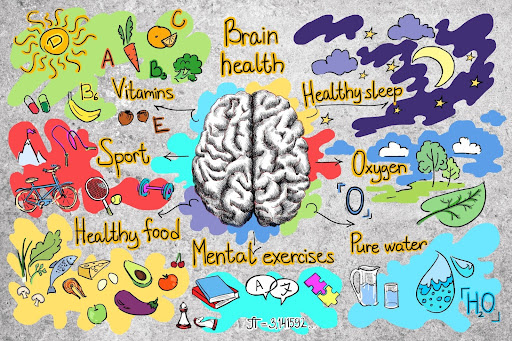
7 Tips to Improve Brain Health in Your 30’s
 Hey there! If you're in your 30s, it's a great time to start thinking about your brain health. You might be focused on your career, family, or just enjoying life, but taking care of your brain now can pay off big time down the road. This is especially true if you have a family history of neurological degenerative disorders like dementia or Alzheimer's. Don't worry, though—taking care of your brain can be simple and even fun! Here are seven tips to help you keep your brain in tip-top shape.
1. Stay Active
Exercise isn't just great for your body; it's awesome for your brain too! Regular physical activity increases blood flow to your brain, which can help keep it healthy and strong. Aim for at least 30 minutes of moderate exercise most days of the week. This can be anything from a brisk walk, a fun dance class, or even playing a sport you love.
Why it matters: Exercise has been shown to improve memory and thinking skills. It's a natural way to boost your brain's health and keep neurological degenerative disorders at bay.
Tips for staying active: Find an activity you enjoy so that it doesn't feel like a chore. Whether it's hiking, cycling, or even gardening, as long as you're moving, your brain will benefit. Try to mix up your routine to keep things interesting and challenge different parts of your brain and body.
2. Eat Brain-Boosting Foods
What you eat has a big impact on your brain health. Focus on a diet that's rich in fruits, vegetables, whole grains, and lean proteins. Omega-3 fatty acids, found in fish like salmon and nuts like walnuts, are especially good for your brain.
Why it matters: A healthy diet can help reduce inflammation and provide the nutrients your brain needs to function properly. It's one of the best holistic healthcare services you can give yourself!
Brain-boosting foods to include: Blueberries, turmeric, broccoli, pumpkin seeds, and dark chocolate. These foods are packed with antioxidants, vitamins, and minerals that support brain health. Try to incorporate a variety of these foods into your meals to get the full range of benefits.
3. Get Enough Sleep
Sleep is crucial for your brain. When you sleep, your brain has a chance to repair itself and clear out toxins that can lead to degenerative brain disease. Aim for 7-9 hours of quality sleep each night.
Why it matters: Consistent, quality sleep can improve memory, mood, and overall cognitive function. It's like hitting the reset button for your brain every night.
Tips for better sleep: Establish a regular sleep schedule by going to bed and waking up at the same time every day. Create a relaxing bedtime routine, such as reading a book or taking a warm bath. Make your sleep environment comfortable and free from distractions, like electronics and excessive noise.
4. Challenge Your Mind
Keeping your brain active is just as important as keeping your body active. Engage in activities that challenge your brain, such as puzzles, reading, learning a new skill, or playing an instrument.
Why it matters: Mental stimulation strengthens the connections between your brain cells and can even create new ones. It's a fun way to keep your brain sharp and fend off neurological degenerative disorders.
Ways to challenge your mind: Take up a new hobby that interests you, such as painting, knitting, or coding. Join a book club or take an online course in a subject you've always wanted to learn about. The key is to keep your mind engaged and continuously learning.
5. Stay Social
Spending time with friends and family isn't just fun—it’s great for your brain too! Social interactions can help improve your mood and cognitive function.
Why it matters: Strong social connections can lower the risk of degenerative brain disease. So go ahead, plan that game night or coffee date—it’s good for your brain!
Tips for staying social: Make an effort to reach out to friends and family regularly, even if it's just a quick phone call or text message. Join social groups or clubs that align with your interests. Volunteering is another excellent way to meet new people and stay socially active.
6. Manage Stress
Chronic stress can take a toll on your brain health. Finding ways to manage stress, whether through meditation, yoga, or just taking time to relax, can help keep your brain healthy.
Why it matters: Reducing stress can improve brain function and lower the risk of neurological degenerative disorders. It's an essential part of holistic healthcare services.
Stress management techniques: Practice mindfulness meditation or deep breathing exercises to help calm your mind. Engage in activities that you find relaxing, such as listening to music, spending time in nature, or practicing a hobby. Remember to take breaks throughout the day to avoid burnout.
7. Avoid Harmful Habits
Things like smoking and excessive drinking can have a negative impact on your brain health. Try to avoid these habits and replace them with healthier ones.
Why it matters: Avoiding harmful habits can protect your brain from damage and reduce the risk of degenerative brain disease. It's never too late to make a positive change!
Healthier habits to adopt: If you smoke, consider seeking help to quit, such as joining a support group or using nicotine replacement therapies. Limit your alcohol intake to moderate levels, which is generally one drink per day for women and two for men. Focus on building healthy routines, such as regular exercise, a balanced diet, and adequate sleep.
It’s Time Take Care of Your Brain
Taking care of your brain in your 30s is a smart move, especially if you have a family history of neurological degenerative disorders. By staying active, eating well, getting enough sleep, challenging your mind, staying social, managing stress, and avoiding harmful habits, you can keep your brain healthy and strong. Remember, it's the small, everyday actions that add up to make a big difference. Start today and give your brain the best chance for a healthy future! Contact Naples Brain Center today, to learn more.
FAQs About Taking Care of Your Brain in Your 30’s
Q: What are neurological degenerative disorders?
A: These are conditions that cause the brain to deteriorate over time, such as Alzheimer's and dementia.
Q: Can diet really affect brain health?
A: Yes! Eating a balanced diet rich in brain-boosting foods can help keep your brain healthy.
Q: How does exercise benefit the brain?
A: Exercise increases blood flow to the brain, which can improve memory and cognitive function.
Q: Why is sleep so important for brain health?
A: Sleep helps the brain repair itself and clear out toxins, which is crucial for maintaining cognitive function.
Q: What are some good brain-challenging activities?
A: Puzzles, reading, learning a new skill, and playing an instrument are all great ways to challenge your brain.
Q: How can I manage stress to improve brain health?
A: Techniques like meditation, yoga, and taking time to relax can help reduce stress and improve brain function.
Q: Why should I avoid smoking and excessive drinking?
A: These habits can damage your brain and increase the risk of degenerative brain diseases.
By following these tips, you can help ensure your brain stays healthy and strong for years to come. Your 30s are a great time to start focusing on brain health, so take action today and give your brain the care it deserves!
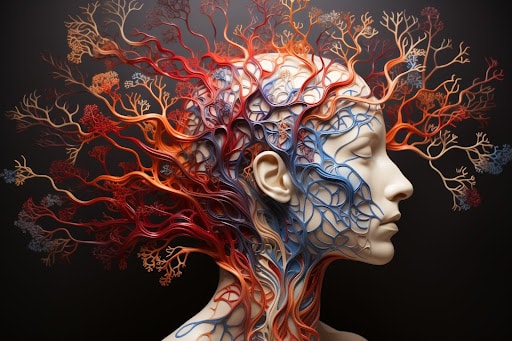
Why Caring for Your Brain Now is Key to Your Future Success

If you're in your 20s or 30s, you're probably juggling a million things: starting a career, maybe continuing your education, and trying to maintain a social life. Amid all this hustle, it's easy to overlook something as crucial as brain health. But here's the thing – taking care of your brain now can give you that extra edge in school, boost your career, and keep you sharp for years to come. At Naples Brain Center, we offer a range of wellness plans designed to help you keep your brain in top shape. Let's dive into why brain health matters and how you can start taking care of it today.
The Importance of Brain Health in Your 20s and 30s
Your 20s and 30s are critical years for brain development and health. This period sets the foundation for your cognitive abilities later in life. Habits and practices you adopt now can either protect your brain from neurological degenerative disorders or increase your risk of developing them. Here are some reasons why focusing on brain health now is so important:
- Maximize Cognitive Function: Your brain is still developing and refining its neural connections. Keeping it healthy can enhance your memory, learning capabilities, and problem-solving skills.
- Prevent Neurological Disorders: Early prevention can significantly reduce the risk of neurological degenerative disorders like Alzheimer's and Parkinson's later in life.
- Boost Academic and Career Performance: A healthy brain can improve your focus, productivity, and creativity, giving you a competitive edge in your studies or career.
Wellness Plans at Naples Brain Center
At Naples Brain Center, we understand the unique needs of young adults and offer a variety of wellness plans to help you maintain optimal brain health. Here's what we provide:
- Yearly Baseline Neurological Exams: These exams help us track your brain health over time and identify any potential issues early on.
- Neurocognitive Testing: Done privately at home, these tests can assess your cognitive functions like memory, attention, and processing speed.
- Hyperbaric Oxygen Ketone Therapy (HBOKT): This therapy increases oxygen delivery to the brain, promoting healing and improving cognitive functions.
- GyroStim: A cutting-edge tool that stimulates your vestibular system to enhance balance, coordination, and cognitive function.
- Nutritional Counseling: Proper nutrition is vital for brain health. Our experts can help you develop a diet that supports your cognitive functions.
- Erchonia Low-Level Laser Therapy (LLLT): This non-invasive therapy can help reduce inflammation and promote brain healing.
- Individualized Brain Games and Activities: Tailored to your needs, these activities are designed to keep your brain engaged and improve various cognitive functions.
- Chiropractic Care: Regular adjustments can improve your overall health and well-being, including brain function.
Practical Steps to Boost Your Brain Health
Now that you know the importance of brain health and the services we offer, here are some practical steps you can take to keep your brain in top shape:
- Stay Active: Regular physical exercise increases blood flow to the brain and promotes the growth of new brain cells. Aim for at least 30 minutes of moderate exercise most days of the week.
- Eat Brain-Healthy Foods: Incorporate foods rich in omega-3 fatty acids, antioxidants, and vitamins. Think salmon, blueberries, nuts, and leafy greens.
- Get Enough Sleep: Quality sleep is crucial for memory consolidation and overall brain function. Aim for 7-9 hours of sleep per night.
- Manage Stress: Chronic stress can negatively impact your brain health. Practice stress-reducing techniques like meditation, yoga, or deep breathing exercises.
- Stay Mentally Active: Engage in activities that challenge your brain, such as puzzles, reading, or learning a new skill.
- Stay Socially Connected: Social interactions can help keep your brain active and reduce the risk of cognitive decline.
Why Choose Naples Brain Center?
You might be wondering why you should choose Naples Brain Center for your brain health needs. Here are a few reasons:
- Expertise in Neurological Care: Our team includes highly trained neurological chiropractors who specialize in brain health.
- Comprehensive Wellness Plans: We offer a holistic approach to brain health, covering everything from exams and therapies to nutrition and cognitive activities.
- Personalized Care: We understand that each person is unique, and we tailor our services to meet your specific needs and goals.
- Convenience and Comfort: Many of our services, like neurocognitive testing, can be done from the comfort of your home.
Invest In Your Future
Taking care of your brain now is one of the best investments you can make in your future. Whether you're looking to excel in school, advance in your career, or simply maintain your cognitive health, the steps you take today can have a profound impact. At Naples Brain Center, we're here to support you every step of the way with our comprehensive wellness plans and expert care. Don't wait – start prioritizing your brain health today!
Remember, your brain is your most valuable asset. Treat it with the care and attention it deserves, and it will serve you well for years to come. If you're ready to take the next step in your brain health journey, contact Dr. Dane at Naples Brain Center and let us help you achieve your goals.
By focusing on brain health now, you're not just preparing for a brighter future – you're enhancing your present. With the right support and guidance, you can unlock your brain's full potential and enjoy the benefits in every aspect of your life. So, what are you waiting for? Let's get started on this exciting journey together!
Feel free to reach out to Naples Brain Center to learn more about our wellness plans and how we can help you achieve optimal brain health. Your future self will thank you!

Using the Erchonia Laser Pre and Post-Operations for Faster Recovery

Welcome to the Naples Brain Center blog! Today, we’re diving into the fascinating world of the Erchonia Laser and how it’s revolutionizing pre and post-operation recovery. Whether you're preparing for brain surgery or recovering from one, the Erchonia Laser offers promising benefits for faster and smoother recovery. At Naples Brain Center, we strive to provide our patients with the most advanced and effective treatments available, and the Erchonia Laser is a shining example of this commitment.
Brain surgery recovery in Naples, FL, can be a challenging process, but with the right tools and support, you can achieve a quicker and more comfortable recovery. In this article, we'll explore what the Erchonia Laser is, its benefits before and after surgery, and some real-life success stories from our patients. Let’s get started on your journey to better health and recovery!
Understanding the Erchonia Laser
The Erchonia Laser is a low-level laser therapy device approved by the FDA for various medical uses. Unlike traditional lasers that can cut or burn tissue, this cold laser therapy stimulates cell function, promoting healing and reducing inflammation. Its non-invasive nature makes it an excellent choice for patients undergoing brain surgery or other significant operations.
So, how does it work? The Erchonia Laser emits low levels of laser light that penetrate the skin and interact with cells. This interaction increases cellular energy production and accelerates tissue repair. Essentially, it gives your body’s natural healing processes a much-needed boost, making recovery faster and more efficient. The laser therapy is painless, quick, and safe, with no known side effects, making it suitable for a wide range of patients.
At the Naples Brain Center, we believe in harnessing the power of advanced technology to improve patient outcomes. The Erchonia Laser is just one of the many innovative treatments we offer to ensure our patients receive the best care possible.
Benefits of Using the Erchonia Laser Pre-Operation
Preparing your body for surgery is crucial, and the Erchonia Laser can play a significant role in this phase. By using the laser before your operation, you can reduce inflammation, manage pain, and improve cellular health, leading to better outcomes during surgery. Patients often report feeling less anxious and more prepared, knowing they have a head start on their recovery.
The laser therapy helps to optimize the surgical site by reducing inflammation and increasing blood flow, which can lead to fewer complications during surgery. For those undergoing brain surgery, this means a potentially smoother and less traumatic experience. Additionally, using the Erchonia Laser pre-operation can help to manage pain, making the overall surgical process more comfortable.
At the Naples Brain Center, we work closely with your neurologist in Naples, FL, to create a comprehensive pre-surgery plan that includes Erchonia Laser treatments. This collaborative approach ensures that you are in the best possible condition going into surgery, enhancing your chances of a successful outcome. The preoperative phase is just the beginning of your recovery journey, and the Erchonia Laser sets the stage for a faster and more efficient healing process.
Post-Operation Recovery with the Erchonia Laser
Post-surgery recovery can be a challenging time, but the Erchonia Laser can make it much smoother. Post-operation, the laser helps reduce pain, minimize swelling, and accelerate the healing process. This means fewer complications and a quicker return to your daily activities. The non-invasive nature of the treatment ensures there are no additional stressors on your body, allowing for a more comfortable recovery period.
Using the Erchonia Laser after surgery aids in faster tissue repair and regeneration. It enhances the body’s natural healing mechanisms, reducing the risk of post-surgical infections and complications. Patients often experience a reduction in pain and swelling, which can significantly improve their quality of life during the recovery period.
One of the most significant benefits of post-operation Erchonia Laser treatment is its ability to speed up the recovery timeline. For brain surgery recovery in Naples, FL, this means getting back to your normal activities sooner and with less discomfort. Our team at Naples Brain Center is dedicated to providing personalized care plans that include Erchonia Laser treatments tailored to your specific needs and recovery goals.
We also focus on patient education, ensuring you understand the benefits and process of Erchonia Laser therapy. Our goal is to support you every step of the way, from the initial consultation to your full recovery. With the Erchonia Laser, you can look forward to a faster, smoother, and more comfortable recovery journey.
How the Erchonia Laser Works
The science behind the Erchonia Laser is both simple and complex. It works by emitting low levels of laser light that penetrate the skin and interact with the cells. This interaction increases cellular energy production and accelerates tissue repair. Essentially, it gives your body’s natural healing processes a much-needed boost, making recovery faster and more efficient.
When the laser light penetrates the skin, it interacts with the mitochondria, the powerhouse of the cell. This interaction stimulates the production of ATP (adenosine triphosphate), which provides energy for cellular processes and repair. The increased energy production helps to accelerate tissue repair, reduce inflammation, and enhance overall healing.
The Erchonia Laser also promotes better blood circulation, which is crucial for delivering oxygen and nutrients to the healing tissues. This improved circulation further supports the body’s natural healing processes, leading to faster recovery times. The treatment is painless, quick, and safe, with sessions typically lasting only a few minutes.
At Naples Brain Center, we use the Erchonia Laser as part of a comprehensive approach to patient care. Our goal is to provide you with the most effective treatments to support your recovery and overall well-being. By incorporating the Erchonia Laser into your pre and post-surgery care plan, we can help you achieve a faster and smoother recovery.
Conclusion
Using the Erchonia Laser pre and post-operations is a game-changer for patients at the Naples Brain Center. It enhances recovery, reduces pain, and gets you back to your normal life faster. If you or a loved one are preparing for brain surgery or any major operation, consider the Erchonia Laser as part of your recovery plan. For more information, feel free to reach out to us. Our team is here to support you every step of the way, ensuring you receive the best care possible. Experience the benefits of advanced laser therapy and achieve a quicker, more comfortable recovery.
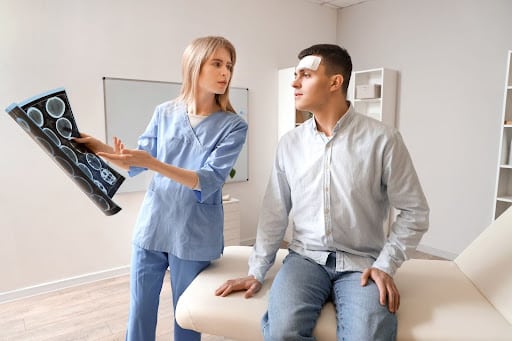
Healing Concussions with the Erchonia Laser at Naples Brain Center

At Naples Brain Center, we understand how debilitating a concussion can be. Our focus is on providing comprehensive rehabilitation to help you get back to your normal life as quickly and safely as possible. One of the groundbreaking treatments we offer is the Erchonia Laser, a low-level laser therapy gaining recognition for its effectiveness in concussion rehab. This innovative approach is currently under study by the VA, highlighting its potential in revolutionizing concussion treatment. If you're looking for a concussion clinic in Naples, FL, you've come to the right place.
Understanding Concussions
A concussion is a type of traumatic brain injury caused by a blow to the head or a violent shaking of the head and body. This injury can disrupt brain function, leading to a range of symptoms such as headaches, dizziness, confusion, and memory issues. Concussions can be particularly challenging to treat due to the complexity of the brain and the variability in symptoms. Seeking the help of a neurologist specializing in post concussion syndrome can make a significant difference in recovery.
The Role of Erchonia Laser in Concussion Rehab
The Erchonia Laser is a low-level laser therapy device that has been FDA-approved for various treatments, including pain management and inflammation reduction. But how does it help with concussions? The laser works by emitting low-level light energy that penetrates the skin and is absorbed by the cells, promoting cellular repair and reducing inflammation. This process can be particularly beneficial for brain injuries, where reducing inflammation and promoting healing is crucial.
The VA is currently conducting studies to evaluate the effectiveness of the Erchonia Laser in treating concussions. Preliminary results are promising, showing significant improvements in patients' symptoms and overall recovery times. This ongoing research is a testament to the potential of the Erchonia Laser in providing a non-invasive, drug-free treatment option for concussion patients.
Benefits of Using Erchonia Laser for Concussion Rehab
The benefits of using the Erchonia Laser for concussion rehab are numerous. Patients often report reduced inflammation, which helps alleviate pain and other symptoms associated with concussions. Additionally, the laser therapy can accelerate the healing process, allowing patients to return to their daily activities more quickly.
At Naples Brain Center, we've seen firsthand the positive impact of the Erchonia Laser on our patients. Testimonials from those who have undergone this treatment highlight not only the reduction in symptoms but also an overall improvement in their quality of life. One patient noted, "After just a few sessions with the Erchonia Laser, I felt a significant decrease in my headaches and dizziness. The treatment has been a game-changer for my recovery."
By integrating the Erchonia Laser into our treatment plans, we ensure that our patients receive the most advanced and effective care possible. Naples Brain Center is committed to staying at the forefront of concussion rehab, providing treatments that are backed by science and tailored to each individual's needs.
What to Expect During Treatment
A typical Erchonia Laser treatment session at Naples Brain Center is straightforward and painless. During the session, the laser device is applied to specific areas of the head and neck, targeting the regions most affected by the concussion. Each session usually lasts about 20-30 minutes, and most patients find the process relaxing.
Treatment frequency varies depending on the severity of the concussion and the individual patient's response to therapy. Some may require multiple sessions per week, while others might benefit from a more extended treatment plan. Our team will work closely with you to determine the best approach for your recovery.
Patients often report feeling immediate relief from symptoms after a session, though the full benefits of the treatment may take a few sessions to become apparent. There is no downtime required after the treatment, allowing you to return to your daily activities without interruption.
Why Choose Naples Brain Center
Choosing Naples Brain Center means opting for a clinic that combines expertise with compassion. Our team of professionals is dedicated to providing personalized care tailored to your specific needs. We utilize state-of-the-art facilities and the latest treatment modalities, including the Erchonia Laser, to ensure you receive the best possible care. If you're searching for a concussion clinic in Naples, FL, look no further than Naples Brain Center.
Schedule Your Consultation Today
The Erchonia Laser represents a promising advancement in concussion rehabilitation. Its ability to reduce inflammation, promote healing, and improve overall recovery makes it an invaluable tool in treating concussions. At Naples Brain Center, we're proud to offer this cutting-edge treatment to our patients. If you or a loved one is struggling with the aftermath of a concussion, don't hesitate to reach out to us. Trust us to be your partner in recovery and experience the benefits of our concussion clinic.
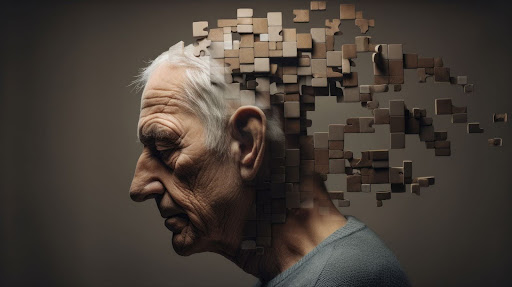
Unlocking the Secrets of the Aging Brain: The Importance of Yearly Baseline Testing
As we navigate through the complexities of aging, our focus often shifts towards maintaining physical health, sometimes overlooking an equally important aspect: our cognitive health. The brain, with its intricate web of neurons and synapses, is the command center for all our thoughts, actions, and memories. But as we age, it's natural for some cognitive functions to decline. This doesn't mean, however, that we're powerless in the face of aging. On the contrary, understanding and actively monitoring our cognitive health can lead to a richer, more vibrant golden age. I'm Dr. Dane, a Chiropractic Neurologist at Naples Brain Center, and today, I'm going to share insights into how yearly baseline testing, along with effective strategies and exercises, can significantly enhance cognitive health as we age.
Understanding Cognitive Aging
The aging process brings about numerous changes in the brain, affecting memory, attention, and problem-solving skills. While some degree of cognitive decline can be considered a normal part of aging, it's crucial to distinguish between normal age-related changes and signs of more serious conditions like dementia or Alzheimer's disease. Early detection and monitoring play pivotal roles in managing cognitive health. By staying informed and vigilant, we can identify changes in brain function early and implement strategies to mitigate their impact.
The Importance of Yearly Baseline Cognitive Testing
Yearly baseline cognitive testing serves as a cornerstone for understanding and preserving brain health. These tests provide a snapshot of an individual's cognitive abilities at a specific point in time, which can be invaluable for detecting subtle changes over the years. Baseline testing is not just about finding problems; it's a proactive approach to brain health, enabling us to tailor personalized strategies for cognitive maintenance and improvement.
Why is baseline testing so critical? First, it establishes a standard against which future tests can be compared, allowing for the early detection of cognitive decline. This is particularly important for conditions like dementia, where early intervention can significantly alter the disease's trajectory. Second, baseline testing can help identify areas of cognitive strength and weakness, guiding personalized interventions that target specific needs.
Strategies for Enhancing Cognitive Health
Maintaining and enhancing cognitive health in our later years involves a multifaceted approach that includes physical exercise, mental stimulation, and social engagement.
- Physical Exercise: Regular physical activity is not only good for the heart; it's also great for the brain. Activities like walking, swimming, or yoga can increase blood flow to the brain, supporting the growth of new neural connections. Exercise has been shown to improve memory, attention, and problem-solving skills, making it a critical component of any cognitive health strategy.
- Cognitive Exercises: Just as our bodies need exercise to stay fit, our brains need mental stimulation to maintain agility. Engaging in brain games, puzzles, or learning new skills can strengthen neural pathways and improve cognitive functions. Consistent mental activity encourages the brain to adapt and rewire, a process known as neuroplasticity, which is essential for maintaining cognitive health as we age.
- Social Engagement: Human beings are inherently social creatures, and maintaining social connections is vital for our mental health. Social activities and meaningful relationships can reduce stress, depression, and anxiety, all of which can negatively impact cognitive function. By staying socially active, we stimulate our brains in diverse and complex ways, reinforcing cognitive resilience.
Implementing these strategies into our daily lives requires commitment and perseverance, but the benefits they offer for our cognitive health are immeasurable. As we explore further the roles of nutrition and regular appointments with a Chiropractic Neurologist, remember that each step taken is a step towards a healthier, more vibrant brain.
The Role of Nutrition in Cognitive Health
Nutrition plays a pivotal role in every aspect of our health, including our cognitive function. The brain requires a constant supply of nutrients to operate effectively, and certain diets and nutrients have been shown to have a profound impact on reducing the risk of cognitive decline.
- Brain-Boosting Nutrients: Omega-3 fatty acids, found in fish, flaxseeds, and walnuts, are essential for brain health, contributing to improved memory and mental function. Antioxidants, present in berries, leafy greens, and nuts, protect the brain from oxidative stress, reducing the risk of cognitive decline. Vitamins E, D, and B, along with minerals like magnesium and zinc, also play critical roles in brain health, supporting neural function and protecting against age-related damage.
- The Mediterranean Diet: Research has consistently shown that the Mediterranean diet, rich in fruits, vegetables, whole grains, olive oil, and lean protein, is associated with a lower risk of cognitive decline and dementia. This diet's emphasis on plant-based foods, healthy fats, and moderate fish and poultry consumption provides a balanced intake of essential nutrients for optimal brain health.
Incorporating these nutrients into your daily diet can support brain function and protect against cognitive decline. However, nutrition is just one piece of the puzzle. Combining a healthy diet with physical and mental exercise and regular check-ups can create a comprehensive approach to maintaining cognitive health.

The Benefits of Regular Appointments with a Chiropractic Neurologist
A Chiropractic Neurologist specializes in the diagnosis and treatment of neurological conditions using a holistic approach that considers the intricate relationship between the nervous system and the rest of the body. Regular appointments with a Chiropractic Neurologist can offer several benefits for those looking to maintain or improve their cognitive health.
- Personalized Assessments: Through detailed examinations and assessments, a Chiropractic Neurologist can identify specific areas of concern or potential risk factors for cognitive decline. These assessments allow for the creation of personalized treatment plans that address individual needs and goals.
- Non-Invasive Treatments: Chiropractic Neurologists utilize a range of non-invasive treatments, including chiropractic adjustments, therapeutic exercises, and lifestyle counseling, to support brain health. These treatments can improve neural connectivity, enhance blood flow to the brain, and promote overall wellness.
- Preventative Care: Regular check-ups enable early detection of changes in cognitive function, allowing for timely intervention. A Chiropractic Neurologist can provide guidance on preventive strategies, including exercise, diet, and cognitive activities, to maintain brain health and prevent or slow down cognitive decline.
Practical Tips for Implementing Cognitive Health Strategies
To make these strategies a part of your daily routine, consider the following tips:
- Set Realistic Goals: Start with small, achievable goals and gradually incorporate more activities and dietary changes into your routine.
- Engage in Activities You Enjoy: Choose exercises, brain games, and social activities that you find enjoyable and fulfilling.
- Seek Professional Advice: Consult with a Chiropractic Neurologist or a nutritionist to tailor strategies that fit your specific health needs and lifestyle.
By embracing a holistic approach that includes proper nutrition, regular physical and mental exercise, and the expertise of a Chiropractic Neurologist, you can take proactive steps toward maintaining and enhancing your cognitive health well into your golden years.
The journey to maintaining cognitive health is multifaceted, requiring attention to physical activity, mental stimulation, social connections, and nutrition. Regular appointments with a Chiropractic Neurologist complement these efforts by providing personalized care and preventive strategies tailored to your unique needs. Together, these approaches form a comprehensive plan for safeguarding your cognitive health, allowing you to enjoy a vibrant, active lifestyle for years to come.
Take Control of Your Cognitive Health
Now is the time to take control of your cognitive health. Whether you're noticing changes in your cognitive abilities, interested in preventive measures, or simply keen on optimizing your brain health as you age, the path to a healthier brain begins with a single step. Here's how you can start:
- Schedule Your Baseline Cognitive Testing: If you haven't already, reach out to a healthcare provider to schedule your first or next baseline cognitive test. This crucial step will help you understand your current cognitive health status and track changes over time.
- Consult a Chiropractic Neurologist: Consider making an appointment with a Chiropractic Neurologist, like us at Naples Brain Center. Our specialized approach to neurological health can provide you with tailored advice, assessments, and treatments aimed at enhancing your cognitive function.
- Implement Lifestyle Changes: Begin incorporating the strategies we've discussed into your daily routine. From adopting a brain-healthy diet to engaging in regular physical and mental exercises, every small change contributes to your cognitive well-being.
- Stay Informed and Engaged: Continue educating yourself on cognitive health and stay engaged with your community. Whether it's joining a local walking group, enrolling in a new class, or participating in social activities, staying active both physically and socially is key to a healthy brain.
At Naples Brain Center, we're dedicated to supporting you on your journey to optimal cognitive health. Our team of experts is here to provide comprehensive care tailored to your individual needs and goals. Don't wait to take the first step towards a healthier, more vibrant brain.
Contact Naples Brain Center Today
For more information or to schedule a consultation, visit our website or contact us directly. Let us be your partner in navigating the path to enhanced cognitive health and well-being.
Remember, taking proactive measures to care for your brain is one of the most valuable investments you can make for your future. By embracing the strategies outlined in this article and seeking the guidance of professionals like Chiropractic Neurologists, you're not just preserving your cognitive health; you're ensuring a richer, more fulfilling life in the years to come. Take action today for a brighter, healthier tomorrow!