
Brain Fitness Over 50: Proactive Strategies for Maintaining Mental Vitality
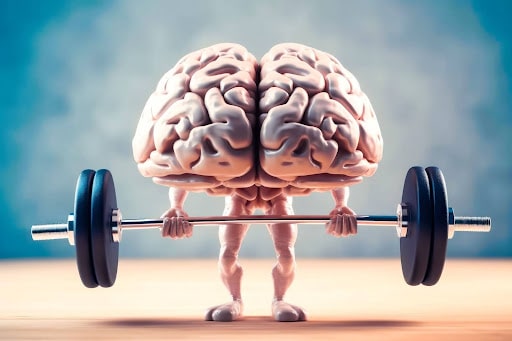
As we age, the quest to maintain our mental vitality becomes increasingly important. For those of us over 50, preserving cognitive health is not just about adding years to our life but adding life to our years. In this context, brain fitness emerges as a crucial aspect of our overall well-being. At Naples Brain Center, we understand the complexities of cognitive aging and the desire to remain mentally sharp and engaged. As a Chiropractic Neurologist, I've witnessed firsthand the transformative effects of proactive strategies in sustaining cognitive functions. This article aims to explore the most effective strategies for brain fitness, diving into the realms of physical activity, mental exercises, nutrition, and the pivotal role of Chiropractic Neurology in supporting brain health. Join me on this journey to unlock the secrets of maintaining mental vitality after 50.
Understanding Cognitive Aging
Cognitive aging is a natural process that can affect memory, attention, and problem-solving skills. While it's common to experience some degree of cognitive decline as we age, it's crucial to recognize that this decline is not inevitable. Research has shown that our brains possess a remarkable capacity for neuroplasticity—the ability to form new neural connections throughout life. This adaptability means that, with the right interventions, we can continue to enhance our cognitive functions well into our later years.
The key to mitigating the effects of cognitive aging lies in understanding its mechanisms and adopting proactive measures to support brain health. Regular mental stimulation, physical exercise, social engagement, and proper nutrition can all contribute to a robust cognitive reserve, helping to offset the impacts of aging on the brain.
The Pillars of Brain Health
Physical Exercise
Physical activity stands out as one of the most effective ways to boost brain health. Engaging in regular exercise, particularly aerobic activities, can increase blood flow to the brain, enhance the growth of new blood vessels, and stimulate the production of neurotrophic factors that support neuron survival and plasticity. Activities such as walking, cycling, and swimming are not only beneficial for physical health but also play a significant role in improving cognitive functions, including memory and executive functions.
Mental Stimulation
Challenging your brain with new and complex activities is another cornerstone of maintaining cognitive health. Activities that require problem-solving, learning, and memory, such as puzzles, learning a new language, or playing a musical instrument, can strengthen neural networks and build cognitive reserve. This mental exercise helps to ensure that the brain remains active and engaged, reducing the risk of cognitive decline.
Social Engagement
Social interaction is a powerful tool for cognitive health. Engaging in meaningful relationships and participating in social activities can reduce stress, combat depression, and stimulate cognitive processes. Social engagement often involves complex communication and emotional intelligence, providing a rich environment for cognitive stimulation. Whether it's joining a club, volunteering, or simply spending time with loved ones, fostering social connections can have a profound impact on brain health.
Nutrition for the Aging Brain
Nutrition plays a pivotal role in supporting cognitive health as we age. A diet rich in antioxidants, omega-3 fatty acids, vitamins, and minerals can protect the brain from oxidative stress and inflammation, both of which are linked to cognitive decline. Foods such as leafy green vegetables, berries, nuts, fish, and whole grains are packed with nutrients that support brain function.
Omega-3 fatty acids, found in fish like salmon and sardines, are particularly beneficial for the aging brain. These essential fats contribute to the integrity of cell membranes and are involved in neurogenesis, the process of creating new neurons. Additionally, antioxidants from fruits and vegetables can neutralize harmful free radicals, protecting brain cells from damage.
Adopting a Mediterranean-style diet, which emphasizes these brain-healthy foods, has been associated with a lower risk of cognitive decline and dementia. By making simple dietary changes, such as incorporating more whole foods and reducing processed food intake, individuals can significantly impact their cognitive health and overall well-being.
Mindfulness and Stress Reduction
The impact of stress on cognitive health cannot be overstated. Chronic stress has been linked to a variety of cognitive issues, including memory loss, decreased cognitive flexibility, and even a reduction in brain volume in areas critical for memory and executive function. Mindfulness and stress reduction techniques offer powerful tools to combat these effects, promoting mental clarity and resilience.
Mindfulness practices, such as meditation, deep breathing exercises, and yoga, can significantly reduce stress levels and improve cognitive functions. These practices encourage a state of active, open attention to the present moment, helping individuals break free from repetitive negative thoughts that contribute to stress. Regular mindfulness practice has been shown to enhance attention, concentration, and emotional regulation, all of which are vital for maintaining cognitive health.
Incorporating these practices into your daily routine doesn't have to be time-consuming or complex. Even just a few minutes of mindfulness meditation or deep breathing exercises each day can make a meaningful difference in reducing stress and supporting brain health.

The Role of Sleep in Cognitive Health
Sleep plays a critical and multifaceted role in cognitive health. Quality sleep is essential for the brain's ability to consolidate memories, process information, and repair itself. During sleep, the brain clears out toxins that accumulate during waking hours, including beta-amyloid, a protein associated with Alzheimer's disease. This natural detoxification process highlights the importance of regular, restorative sleep for maintaining cognitive function.
Adults over 50 should aim for 7-9 hours of sleep per night, with consistent sleep and wake times to support the body's natural circadian rhythm. Strategies to improve sleep quality include establishing a regular bedtime routine, reducing screen time before bed, and creating a comfortable, sleep-conducive environment. Improving sleep hygiene not only supports brain health but also enhances overall well-being.
Chiropractic Neurology and Cognitive Health
Chiropractic Neurology offers a unique and complementary approach to maintaining and enhancing brain fitness over 50. As a Chiropractic Neurologist, I specialize in assessing and treating neurological disorders without the use of drugs or surgery. Through a deep understanding of the nervous system's dynamics, we employ targeted therapies to optimize brain function and support cognitive health.
During a visit to Naples Brain Center, patients can expect a comprehensive evaluation that may include assessments of balance, coordination, reflexes, and cognitive functions. Based on this evaluation, personalized treatment plans are developed to address specific neurological imbalances. Treatments may involve functional neurological exercises, vestibular rehabilitation, and other non-invasive techniques designed to stimulate neural plasticity and enhance nervous system function.
Regular appointments with a Chiropractic Neurologist can be beneficial for early detection of cognitive decline and for implementing preventative strategies to maintain brain health. These targeted interventions can complement other brain fitness strategies, offering a holistic approach to cognitive wellness.
Developing a Personalized Brain Fitness Plan
Embarking on a journey to enhance your cognitive health requires a personalized approach, one that acknowledges your unique lifestyle, interests, and health status. Creating a brain fitness plan tailored to your needs can optimize your cognitive functions and enrich your life quality. Here's how to begin crafting your personalized plan:
- Assess Your Lifestyle: Start by evaluating your current lifestyle practices related to physical activity, diet, mental stimulation, social engagement, and sleep habits. Identify areas where there is room for improvement.
- Set Realistic Goals: Based on your assessment, set achievable goals. For instance, if you're not very active, aim to incorporate 30 minutes of walking into your daily routine. If your diet lacks essential nutrients, consider ways to include more brain-healthy foods.
- Incorporate Mental Exercises: Choose mental activities that you enjoy and that challenge your brain. It could be puzzles, reading, learning a new skill, or engaging in a hobby that requires concentration and creativity.
- Enhance Social Connections: Look for opportunities to engage more with your community. Join clubs, participate in group activities, or volunteer. These social interactions can significantly boost your mental health.
- Practice Mindfulness: Integrate simple mindfulness exercises into your daily routine to help manage stress and enhance cognitive function. Even a few minutes of meditation or deep breathing can make a difference.
- Prioritize Sleep: Evaluate your sleep habits and make necessary adjustments to ensure you're getting quality rest. Consider establishing a calming bedtime routine and optimizing your bedroom environment for sleep.
- Consult with a Chiropractic Neurologist: Schedule an appointment with a Chiropractic Neurologist for a comprehensive evaluation and personalized recommendations. Integrating chiropractic neurology into your plan can provide targeted support for your cognitive health.
Conclusion
Maintaining brain fitness over 50 is not only possible but essential for living a vibrant, fulfilling life. By adopting a holistic approach that includes physical exercise, proper nutrition, mental stimulation, social engagement, mindfulness, and quality sleep, you can significantly enhance your cognitive resilience. Furthermore, incorporating the expertise of a Chiropractic Neurologist can offer additional support, providing you with personalized strategies to optimize your neurological health.
At Naples Brain Center, we are committed to helping you navigate the path to cognitive wellness. Whether you're looking to maintain your mental sharpness, address specific concerns, or simply enhance your overall well-being, we are here to support you every step of the way.
Remember, it's never too late to start focusing on your brain health. By taking proactive steps today, you can enjoy the benefits of a sharp and agile mind for years to come. Let this journey be one of discovery, empowerment, and lifelong learning. Embrace the opportunity to not just age gracefully, but to thrive with mental vitality and resilience.
Schedule a Consultation Today
Are you ready to take the first step towards enhancing your cognitive health? Contact Naples Brain Center today to schedule a consultation. Together, we can develop a personalized brain fitness plan tailored to your unique needs and goals. Let us be your partner in maintaining and enhancing your mental vitality for a brighter, healthier future.


Nutrition's Role in Preserving Cognitive Health as We Age
As we navigate the complexities of aging, maintaining cognitive health becomes a paramount concern. I'm Dr. Dane, a Chiropractic Neurologist at Naples Brain Center, and I've dedicated a significant part of my practice to understanding how lifestyle factors, especially nutrition, play a critical role in preserving our cognitive abilities into our later years. In this article, we'll take a closer look at the nutritional strategies that can bolster your brain health, outlining what specific nutrients do for your body, how often you should consume them, and in what amounts. Additionally, I'll share insights into how regular appointments with a Chiropractic Neurologist, including nutrition consultations, can further support your cognitive well-being.
The Importance of Nutrition for Cognitive Health
Our brain is an energy-intensive organ, requiring various nutrients to function optimally. The right nutrition can support brain structure, enhance cognitive functions, and protect against age-related decline. Certain nutrients, often referred to as "brain foods," have been shown to have a profound impact on maintaining cognitive health. Let's explore these critical nutrients and their benefits.
Omega-3 Fatty Acids
Omega-3 fatty acids are essential fats that play a vital role in brain health. They are crucial for building brain and nerve cells, essential for learning and memory. Omega-3s also have anti-inflammatory effects that may protect against brain aging and cognitive decline.
- Sources: Fatty fish like salmon and sardines are excellent sources of omega-3s. Vegetarian options include walnuts, flaxseeds, and chia seeds.
- Recommended Intake: For adults, eating fish twice a week is recommended. For vegetarians or those who don't consume fish, supplements or fortified foods can help meet their omega-3 needs.
Antioxidants (Vitamins C and E, Beta-Carotene)
Antioxidants play a protective role for the brain by neutralizing harmful free radicals. This action helps reduce oxidative stress, a factor that contributes to brain aging and neurodegenerative diseases.
- Sources: Berries, nuts, seeds, and dark, leafy greens are rich in antioxidants. Citrus fruits and carrots also provide these essential nutrients.
- Recommended Intake: Incorporate a variety of fruits and vegetables into your daily diet to ensure adequate intake of these antioxidants. Aim for at least five servings of fruits and vegetables per day.
B Vitamins (B6, B12, Folate)
B vitamins, particularly B6, B12, and folate, are crucial for brain health. They help reduce the level of homocysteine in the blood, high levels of which are associated with an increased risk of dementia and Alzheimer's disease.
- Sources: Leafy greens, fruits, legumes, and meats are good sources of B6 and folate. B12 is primarily found in animal products, including fish, meat, poultry, eggs, and dairy.
- Recommended Intake: It's important to get these vitamins from your diet or supplements, especially for those with dietary restrictions. The recommended daily intake varies by age and dietary habits, but incorporating a variety of these foods can help meet your needs.
Vitamin D
Vitamin D, often known as the "sunshine vitamin," has a significant role in brain health. It's involved in many brain processes, and low levels of vitamin D have been linked to a higher risk of cognitive decline and dementia.
- Sources: While sunlight is the primary source, vitamin D can also be found in fatty fish, egg yolks, and fortified foods. Supplements can be beneficial, especially in areas with limited sunlight.
- Recommended Intake: The recommended daily allowance for adults is 600-800 IU, but some experts suggest higher doses may be necessary for optimal health. It's important to check your vitamin D levels and consult with a healthcare provider before starting supplements.

Minerals (Magnesium, Zinc)
Magnesium and zinc are minerals essential for brain health, playing roles in nerve function and cognitive processes.
- Magnesium: Supports neurotransmitter function, which is crucial for cognitive activities.
- Sources: Green leafy vegetables, nuts, seeds, and whole grains.
- Recommended Intake: 400-420 mg per day for men and 310-320 mg per day for women.
- Zinc: Important for nerve function and can influence memory and learning.
- Sources: Meat, shellfish, legumes, seeds, and nuts.
- Recommended Intake: 11 mg per day for men and 8 mg per day for women.
Hydration
Hydration is crucial for maintaining cognitive function. Even mild dehydration can affect concentration, memory, and mood. Aim to drink at least eight 8-ounce glasses of water daily, adjusting based on activity level and climate.
Nutritional Strategies for Cognitive Health
Incorporating the aforementioned nutrients into your diet is a vital strategy for cognitive health. Emphasize a balanced diet rich in fruits, vegetables, whole grains, lean proteins, and healthy fats. The Mediterranean diet, for example, is heralded for its brain-protective benefits, emphasizing plant-based foods, fish, and olive oil.
The Benefits of Regular Appointments with a Chiropractic Neurologist
As a Chiropractic Neurologist, I offer a unique perspective on holistic health care, emphasizing the connection between the nervous system and overall wellness. Regular appointments allow us to:
- Assess Cognitive Health: Through comprehensive evaluations, we can identify potential issues early and implement strategies to mitigate them.
- Personalized Nutrition Plans: Based on your health status and goals, I can provide tailored nutrition advice to support your cognitive health.
- Adjust Treatments as Needed: Ongoing care means treatments can be refined over time, ensuring they remain effective for your changing health needs.
Nutrition Consultation in Chiropractic Neurology Practice
During a nutrition consultation, we review your dietary habits, identify deficiencies, and create a personalized nutrition plan focused on enhancing cognitive function. This holistic approach not only addresses nutritional needs but also considers lifestyle factors contributing to your overall health.
Conclusion
As we age, nutrition plays a foundational role in preserving cognitive health. By focusing on a diet rich in essential nutrients and staying hydrated, we can support our brain health and reduce the risk of cognitive decline. Moreover, partnering with a Chiropractic Neurologist offers a comprehensive approach to wellness, ensuring that your nutrition and lifestyle align with your cognitive health goals.
At Naples Brain Center, we're committed to helping you achieve optimal cognitive health through personalized care and expert guidance. If you're ready to take a proactive approach to your cognitive wellness, I invite you to schedule a consultation with us. Together, we can develop a plan that supports your brain health and overall well-being for years to come.
Age-Proofing Your Brain: Comprehensive Strategies for a Healthy Aging Mind
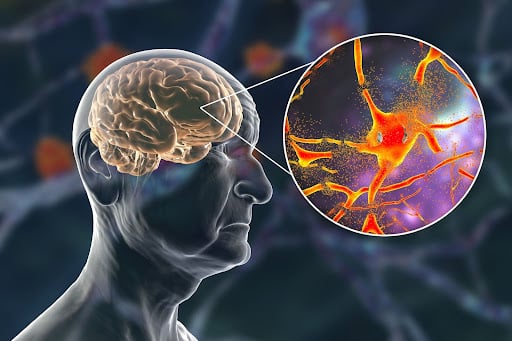
In the quest for longevity and vitality, one of the most crucial areas of our health that demands attention is our brain. As we age, our mental faculties can either be a source of continued independence and joy or become a concern that limits our ability to enjoy life to its fullest. I'm Dr. Dane, a Chiropractic Neurologist at Naples Brain Center, and I specialize in the intersection of chiropractic care and neurological health. The brain's ability to function optimally doesn't have to decline significantly with age. Through comprehensive strategies encompassing diet, exercise, mental stimulation, and specialized care, such as chiropractic neurology, we can all take significant steps toward age-proofing our minds. This article is dedicated to exploring those strategies, offering insight and actionable advice on how to maintain a healthy, vibrant brain throughout all stages of life.
Understanding the Aging Brain
The aging process inevitably brings changes to all parts of our body, including the brain. These changes can affect memory, cognitive speed, and the ability to learn new things. However, it's a common misconception that significant cognitive decline is an unavoidable part of aging. In reality, while certain aspects of brain function may naturally slow down, significant loss of cognitive abilities is not a given. The concept of neuroplasticity, or the brain's ability to form new neural connections, remains active throughout our lives. By leveraging this innate capability, alongside adopting certain lifestyle habits and treatments, we can significantly influence how our brains age.
Comprehensive Strategies for a Healthy Aging Mind
Diet and Nutrition
A nutritious diet plays a foundational role in brain health. Foods rich in antioxidants, such as berries, and those high in omega-3 fatty acids, like fatty fish, can protect the brain from oxidative stress and inflammation, which are linked to cognitive decline. Incorporating a variety of vegetables, lean proteins, and whole grains into your diet can also support overall brain function. Supplements such as vitamin D, vitamin B12, and omega-3s can be beneficial, especially for those who may not get enough of these nutrients from their diet alone.
Physical Exercise
Physical activity is not only good for the heart and muscles but also for the brain. Exercise increases blood flow to the brain, which can help to improve cognitive functions and encourage the growth of new neuronal connections. Activities such as walking, cycling, swimming, and resistance training are particularly beneficial. Engaging in regular exercise can also reduce the risk of diseases that affect cognitive health, such as diabetes, heart disease, and obesity.
Mental Stimulation
Keeping the brain active and engaged is essential for preserving cognitive function. Challenging the brain with puzzles, learning a new language, or playing a musical instrument can stimulate neurogenesis (the creation of new brain cells) and improve neural plasticity. Social interactions and community engagement are equally important, as they can reduce stress levels and provide emotional support, which in turn, benefits brain health.

The Role of Chiropractic Neurology in Cognitive Health
Chiropractic Neurology offers a unique perspective on maintaining and improving brain health. As a Chiropractic Neurologist, I focus on the diagnosis and treatment of nervous system disorders using non-invasive therapies that do not rely on drugs or surgery. By assessing the function of different parts of the nervous system, Chiropractic Neurologists can identify imbalances and dysfunctions that may contribute to cognitive decline. Through tailored treatment plans, which may include spinal adjustments, functional neurology exercises, and lifestyle modifications, we aim to optimize neural function and support the brain's natural healing processes. This approach not only helps in addressing existing neurological issues but also in preventing potential cognitive decline through the enhancement of overall brain health.
Benefits of Regular Appointments with a Chiropractic Neurologist
Regular appointments with a Chiropractic Neurologist are not just for addressing existing neurological conditions; they play a vital role in the preventative care strategy for cognitive health. These visits provide several key benefits that contribute to a healthy aging mind:
- Early Detection and Intervention: Regular check-ups can help identify neurological issues before they become severe. Early detection of dysfunctions within the nervous system allows for timely intervention, which can be critical in preventing further decline.
- Personalized Care Plans: One size does not fit all when it comes to brain health. A Chiropractic Neurologist assesses each individual's unique condition and tailors a treatment plan that addresses specific needs and goals. This personalized approach ensures that you receive the most effective treatments to support your cognitive wellbeing.
- Non-Invasive Treatments: Chiropractic neurology focuses on non-invasive methods to improve neurological function, which is particularly appealing for those seeking alternatives to medication or surgery. These treatments can include spinal adjustments, specific exercises designed to stimulate neurological pathways, and lifestyle modifications that promote brain health.
- Holistic Approach to Health: Chiropractic Neurologists view the body as an interconnected system, recognizing that a dysfunction in one part can affect overall health, including cognitive function. Regular appointments allow for a comprehensive approach to health that addresses not just the brain, but the entire body.
- Education and Empowerment: Visits to a Chiropractic Neurologist are educational, providing patients with the knowledge and tools they need to maintain and improve their brain health outside the clinic. This empowerment is key to making lasting lifestyle changes that support cognitive function.
What to Expect in an Appointment
Understanding what happens during an appointment with a Chiropractic Neurologist can help demystify the process and highlight the value these specialists bring to cognitive health. A typical visit may include:
- Comprehensive Assessment: The appointment begins with a thorough evaluation, including a review of your medical history, physical examination, and specific neurological tests. This assessment helps to pinpoint areas of concern and guide treatment planning.
- Customized Treatment Plan: Based on the assessment, a treatment plan is developed to address your specific needs. This plan may include spinal adjustments, exercises that target neurological pathways, and recommendations for dietary and lifestyle changes.
- Ongoing Support and Adjustment: Health is not static, and neither are treatment plans. Regular appointments allow for the monitoring of progress and adjustments to the treatment plan as needed. This ongoing support ensures that the care you receive evolves with your health needs.
- Preventative Strategies: Beyond addressing immediate concerns, appointments also focus on preventative strategies to protect and enhance brain health. This proactive approach aims to maintain cognitive function and prevent the onset of neurological issues.
Conclusion
Age-proofing our brains is an achievable goal, requiring a multifaceted approach that includes diet, exercise, mental stimulation, and the specialized care of a Chiropractic Neurologist. At Naples Brain Center, we are committed to providing our patients with the highest level of care, tailored to support the unique needs of each individual as they age. By adopting comprehensive strategies for brain health and leveraging the expertise of a Chiropractic Neurologist, we can all take proactive steps towards maintaining cognitive function and enjoying a high quality of life in our later years. I encourage you to schedule an appointment with us to explore how we can support your journey to a healthy aging mind. Together, we can work towards not just living longer, but thriving as we age.

The Science of Aging: How Regular Brain Check-Ups Can Alter Your Future
As we age, the passage of time leaves its mark not just on the surface of our skin but deep within our most vital organ - the brain. The science of aging has long fascinated researchers and healthcare professionals alike, as they seek to understand how and why our cognitive functions alter as we grow older. At Naples Brain Center, we recognize the profound impact aging can have on brain health and the importance of proactive measures to preserve cognitive vitality. Regular brain check-ups with a Chiropractic Neurologist are not just beneficial; they could be the key to altering your future, enabling a life of clarity, purpose, and independence well into your later years.
Understanding Aging and Cognitive Health
The aging process affects the brain in several profound ways. Structurally, our brains can shrink in volume, particularly in the prefrontal cortex and hippocampus, areas involved in executive function and memory. Functionally, neurotransmitter production may decrease, impacting how efficiently brain cells communicate. These changes can lead to common cognitive health issues among the aging population, including memory decline, reduced processing speed, and difficulties in learning new skills.
However, it's crucial to note that cognitive decline is not an inevitable part of aging. Lifestyle factors such as diet, physical exercise, mental stimulation, and social engagement have been shown to significantly influence the trajectory of cognitive aging. This introduces an empowering perspective: aging is not merely a passive experience but a dynamic process that we can positively impact with informed choices and actions.
The Value of Regular Brain Check-Ups
Brain check-ups are an essential component of a proactive approach to cognitive health. Unlike standard neurological evaluations that may be sought only after problems arise, regular brain check-ups with a Chiropractic Neurologist aim to monitor cognitive functions over time, identifying subtle changes that could indicate early stages of decline. These check-ups are pivotal for early detection and intervention, offering the best chance to manage or even reverse age-related cognitive changes.
Regular assessments can unveil potential issues before they escalate, allowing for preventative measures to be implemented swiftly. By keeping a close watch on your brain health, Chiropractic Neurologists can tailor interventions that support cognitive function, potentially averting the progression of decline.
Chiropractic Neurology: A Unique Approach to Cognitive Health
Chiropractic Neurology represents a distinctive blend of chiropractic care and neurological science, focusing on optimizing the nervous system to enhance overall brain function. This field recognizes the intricate relationship between the spine, nervous system, and brain health, employing a holistic approach to treatment that goes beyond symptom management to address the root causes of cognitive decline.
In practice, Chiropractic Neurologists utilize a variety of diagnostic tools to assess brain health comprehensively. These may include neurocognitive testing, imaging studies, and assessments of balance, reflexes, and sensory integration. Based on these evaluations, they develop personalized treatment plans that can include spinal adjustments, targeted exercises, nutritional advice, and lifestyle modifications designed to improve neurological function and, by extension, cognitive health.
The unique benefit of consulting a Chiropractic Neurologist lies in their holistic view of health and their emphasis on non-invasive, drug-free treatments. This approach not only supports cognitive well-being but also contributes to overall physical health and wellness, offering a comprehensive strategy for aging gracefully and healthily.
Benefits of Regular Appointments with a Chiropractic Neurologist
The journey towards maintaining and improving cognitive health is deeply personal and varies from one individual to another. This variability is where the value of regular appointments with a Chiropractic Neurologist truly shines.
Every brain is unique, and so are the challenges it faces as it ages. Regular check-ups allow for the development of personalized care plans that are tailored to address your specific needs and conditions. Whether it’s strategies to enhance memory, improve focus, or maintain mental agility, your Chiropractic Neurologist can adjust your treatment plan as your needs evolve over time.

Holistic Approach to Treatment
Chiropractic Neurology looks beyond symptoms to address the root causes of cognitive decline. This holistic approach encompasses a wide range of interventions, from nutritional advice and physical exercise to cognitive exercises and stress management techniques. By treating the whole person rather than just the symptoms, Chiropractic Neurologists aim to optimize brain health and, by extension, improve overall well-being.
What to Expect During Your Visit to a Chiropractic Neurologist
For those considering a visit to Naples Brain Center or any chiropractic neurology practice, understanding what to expect can ease any apprehensions and pave the way for a positive experience. Here’s a glimpse into the process:
Your journey begins with a comprehensive evaluation that looks at your medical history, current health status, and specific concerns related to cognitive health. This may involve a series of tests to assess cognitive function, reflexes, balance, and other neurological markers.
Chiropractic Neurologists employ a variety of diagnostic tools to get a clear picture of your brain health. This could include advanced imaging techniques, neurocognitive testing, and other assessments designed to identify areas of concern and measure baseline functions.
The ultimate goal of regular appointments is not just to prevent cognitive decline but to enhance your quality of life. Patients often report improvements in various areas, including better sleep, reduced stress levels, enhanced focus and memory, and even improvements in mood. These benefits collectively contribute to a more active, fulfilling life, enabling individuals to engage more fully with their interests, families, and communities.
Tailored Treatment Plans
Based on the findings, a personalized treatment plan is developed. This plan may include spinal adjustments, specific exercises, lifestyle modifications, and nutritional advice, all aimed at improving neurological function. Follow-up visits are scheduled to monitor progress and adjust treatments as necessary.
Conclusion: Making Brain Health a Priority
The importance of brain health cannot be overstated, especially as we age. By making it a priority and incorporating regular brain check-ups into our health routine, we can take significant steps toward preventing cognitive decline. Changing perceptions about neurological care and understanding its benefits is crucial in this endeavor. Regular appointments with a Chiropractic Neurologist should be viewed not just as a response to existing problems but as a proactive measure to ensure a healthier, more vibrant future.
The science of aging presents both challenges and opportunities. As we better understand how aging affects the brain, we also uncover more strategies to mitigate these effects and enhance cognitive health. Regular brain check-ups with a Chiropractic Neurologist offer a proactive approach to aging, one that emphasizes prevention, personalized care, and the holistic treatment of cognitive decline. At Naples Brain Center, we are dedicated to guiding you through this journey, offering the support and expertise needed to navigate the complexities of aging with confidence and grace.
Whether you're noticing the first signs of cognitive change or simply committed to maintaining your brain health, now is the time to act. Schedule your appointment with us today and take the first step towards a future where age does not define your cognitive capabilities. Together, we can redefine the science of aging, turning your golden years into a time of growth, vitality, and lasting mental clarity.

Eating for Your Age: Nutrition Tips to Support Brain Health in Later Life
As we age, our bodies undergo various changes, and so does our brain. These changes can affect everything from memory to muscle coordination and balance. However, it's not all an inevitable decline into old age. There's a significant amount of research that suggests our diet plays a crucial role in maintaining brain health and overall well-being as we grow older. I'm Dr. Dane, a Chiropractic Neurologist at Naples Brain Center, and through my practice, I've seen firsthand the impact nutrition can have on our neurological health. This article aims to shed light on how adapting our diet as we age can support brain health, particularly for those experiencing balance issues, a common concern among older adults. Here, we'll explore actionable nutrition tips that can help you or your loved ones maintain cognitive function and balance, ensuring a higher quality of life in later years.
Understanding Brain Health and Aging
Aging is a natural process, and with it comes the challenge of maintaining optimal brain function. Cognitive decline and balance issues are prevalent among the elderly, often leading to increased fall risk and decreased independence. However, these outcomes are not solely the result of aging; they're also influenced by lifestyle factors, particularly diet. Inflammation and oxidative stress are two primary culprits that accelerate brain aging and contribute to cognitive decline. These processes can damage brain cells and affect neural pathways responsible for balance and coordination.
The good news is, through dietary choices, we can significantly mitigate these damaging processes. A diet rich in anti-inflammatory and antioxidant-rich foods can protect the brain from oxidative stress, improve cognitive function, and enhance balance. This proactive approach to nutrition can be a powerful tool in maintaining brain health and overall wellness as we age.
The Gut-Brain Axis and Its Importance
The connection between the gut and the brain, known as the gut-brain axis, is a pivotal aspect of our neurological and overall health. This complex communication network not only ensures the proper maintenance of gastrointestinal homeostasis but also plays a key role in cognitive and emotional processes. A healthy gut microbiome, with a diverse array of beneficial bacteria, can produce neurotransmitters and signaling molecules that significantly impact brain function, mood, and behavior.
For older adults, particularly those experiencing balance issues, nurturing the gut-brain axis through diet can have profound benefits. A balanced, nutrient-rich diet supports a healthy microbiome, which in turn, can enhance neurological health. Foods high in fiber, probiotics, and prebiotics feed the good bacteria in our gut, promoting a balanced ecosystem that positively influences brain health. This symbiotic relationship highlights the importance of dietary choices in maintaining not only gut health but also in supporting brain function and reducing the risk of balance issues as we age.
Key Nutrients for Brain Health in Later Life
As we delve deeper into the significance of nutrition for brain health, it's essential to highlight specific nutrients that play pivotal roles in supporting cognitive function and maintaining balance in older adults. These nutrients combat inflammation, oxidative stress, and contribute to the overall health of our neurological systems.
Omega-3 Fatty Acids are crucial for brain health. Found abundantly in fish like salmon, sardines, and mackerel, these fats are powerful anti-inflammatories that help reduce the risk of cognitive decline. Omega-3s are components of cell membranes in the brain and are essential for neurogenesis, the formation of new neurons, which is vital for maintaining balance and coordination.
Antioxidants, including Vitamins C and E, and Selenium, protect the brain from oxidative stress, a process that accelerates brain aging and contributes to cognitive decline. These nutrients, found in fruits, vegetables, nuts, and seeds, help neutralize free radicals, thereby protecting brain cells from damage.
B Vitamins play a significant role in reducing homocysteine levels in the blood, high levels of which are linked to cognitive decline and brain atrophy. Vitamins B12, B6, and Folate are particularly important for brain health and can be found in foods like leafy greens, legumes, meat, and dairy products.
Minerals such as Magnesium and Zinc are also vital for brain health. Magnesium, found in green leafy vegetables, nuts, and whole grains, is crucial for neurotransmitter function and maintaining the brain's plasticity, which impacts learning and memory. Zinc, present in meat, shellfish, and nuts, plays a critical role in neurogenesis and neuroprotective functions, essential for cognitive function and balance.
Dietary Patterns That Support Brain Health
Adopting specific dietary patterns can significantly benefit brain health and aid in managing balance issues in older adults. Three diets stand out for their neuroprotective properties:
The Mediterranean Diet emphasizes the consumption of whole foods, such as fruits, vegetables, whole grains, fish, and olive oil. This diet is rich in the key nutrients mentioned earlier and has been associated with a lower risk of cognitive decline and improved balance and coordination.
The DASH Diet (Dietary Approaches to Stop Hypertension), while initially designed to lower blood pressure, also offers benefits for brain health due to its emphasis on fruits, vegetables, lean proteins, and whole grains. Its nutrient-rich profile supports overall brain function and helps maintain cognitive health.
The MIND Diet (Mediterranean-DASH Intervention for Neurodegenerative Delay) combines elements of the Mediterranean and DASH diets, focusing specifically on foods that impact brain health. It highlights the importance of berries, leafy greens, nuts, whole grains, and fish, aiming to reduce dementia risk and support overall brain health.
Practical Nutrition Tips for Older Adults
To incorporate these brain-healthy nutrients and dietary patterns into daily life, here are some practical tips for older adults:
- Incorporate a variety of fruits and vegetables into your diet to ensure a broad intake of vitamins, minerals, and antioxidants. Aim for colorful plates to maximize nutrient diversity.
- Choose whole grains over refined to maintain healthy levels of fiber, magnesium, and other important nutrients.
- Include sources of omega-3 fatty acids regularly by eating fish a couple of times a week and considering plant-based sources like flaxseeds and walnuts.
- Stay hydrated by drinking plenty of fluids throughout the day. Dehydration can lead to confusion and cognitive decline, affecting balance and overall health.
- Plan meals ahead to ensure a balanced intake of nutrients. Preparing meals in advance can also help manage portions and ensure consistency in healthy eating.
For older adults, particularly those experiencing balance issues, these nutrition tips can be transformative. By prioritizing brain health through diet, it's possible to significantly enhance cognitive function, improve balance, and reduce the risk of falls, leading to a more active and fulfilling life in later years.

Addressing Balance Issues Through Diet
Diet plays a crucial role not only in maintaining general brain health but also in directly and indirectly supporting balance and reducing the risk of falls in older adults. Balance issues, often exacerbated by nutritional deficiencies, can be mitigated through targeted dietary strategies:
- Ensure adequate Vitamin D and Calcium intake to support bone health, crucial for maintaining balance and preventing falls. Vitamin D is also linked to muscle function and neurological health. Foods like fatty fish, fortified foods, dairy products, and sunlight exposure can help achieve adequate Vitamin D levels, while calcium can be sourced from dairy products, leafy greens, and fortified foods.
- Magnesium and Potassium are essential for muscle health and nerve function, affecting balance and coordination. Incorporating bananas, potatoes, nuts, and spinach into your diet can help maintain these mineral levels.
- Regular consumption of anti-inflammatory foods can help reduce the risk of chronic conditions that might affect balance, such as diabetes and cardiovascular diseases. Incorporating turmeric, ginger, berries, and fatty fish can provide long-term benefits.
Combining these dietary adjustments with regular physical activity—such as walking, yoga, or tai chi—can further enhance muscle strength, flexibility, and balance, providing a holistic approach to preventing falls and maintaining independence in later life.
Challenges and Considerations
Older adults face unique dietary challenges, including changes in taste, appetite, digestive issues, and possibly, difficulties in meal preparation. It's important to address these challenges head-on, ensuring that dietary needs are met:
- Enhancing flavors naturally with herbs, spices, and citrus can make meals more appealing to those experiencing changes in taste.
- Small, nutrient-dense meals can combat decreased appetite, ensuring adequate nutrient intake without overwhelming the digestive system.
- Easy-to-digest foods, such as cooked vegetables and smoothies, can help those with digestive issues maintain nutrient intake.
- Meal delivery services, community meal programs, or the assistance of a caregiver can support those who find meal preparation challenging.
Adapting to these dietary needs and challenges is crucial for ensuring that older adults can enjoy a varied, nutrient-rich diet that supports brain health and balance.
Conclusion
Nutrition plays a pivotal role in supporting brain health and maintaining balance, especially as we age. By focusing on a diet rich in omega-3 fatty acids, antioxidants, B vitamins, and minerals, and by adopting brain-healthy dietary patterns such as the Mediterranean, DASH, and MIND diets, older adults can significantly improve their cognitive function and reduce the risk of balance issues. Practical nutrition tips, alongside strategies to address specific dietary challenges faced by the elderly, can empower individuals to make informed choices about their health.
As a Chiropractic Neurologist at Naples Brain Center, I've witnessed the profound impact that dietary adjustments can have on neurological health and overall well-being. It's never too late to start making changes to your diet that can enhance your brain health, improve balance, and contribute to a more active, fulfilling life in later years.
If you or a loved one are experiencing balance issues or are interested in learning more about how nutrition can support brain health, I invite you to reach out to us at Naples Brain Center. Together, we can develop a personalized plan that addresses your unique needs and goals, supporting your journey towards optimal health and wellness. Visit our website or contact us directly to schedule a consultation. Let's take this important step together towards maintaining your brain health and quality of life through nutrition.

Staying Steady: Innovative Approaches to Enhance Balance and Prevent Falls in Seniors
As we age, our bodies undergo various changes that can impact our balance and increase the risk of falls. For seniors, a fall can lead to serious injuries, significantly affecting their independence and quality of life. It's a concern that not only affects the individual but also poses a challenge for families and healthcare systems worldwide. However, the good news is that with the right approach, falls are not an inevitable part of aging. As a Chiropractic Neurologist at Naples Brain Center, I've seen firsthand how innovative approaches, including neurological chiropractic services, natural supplements, and nutrition, can significantly enhance balance and prevent falls among seniors. Through this article, I aim to share valuable insights and practical strategies to help those experiencing balance issues navigate these challenges effectively.
Understanding Balance Issues in Seniors
Balance is a complex mechanism that involves the coordination of several body systems, including the visual system, the vestibular system (inner ear), and proprioception (sense of body position). As we age, deterioration in these systems can lead to increased difficulty in maintaining balance and coordination. Neurological conditions, muscle weakness, and even certain medications can further exacerbate balance problems. It's crucial to understand that balance is not solely a physical issue but a neurological one as well. The brain and nervous system play a pivotal role in processing the information needed to keep us upright and coordinated. When these systems are not functioning optimally, the risk of falls and the resulting injuries can significantly increase.
The Role of Neurological Chiropractic Care in Enhancing Balance
Neurological chiropractic care is an essential component in the management of balance issues among seniors. This specialized field focuses on the relationship between the nervous system and the musculoskeletal system, addressing the root causes of balance problems. Unlike traditional chiropractic care, which primarily focuses on pain relief and structural alignment, neurological chiropractic care takes a holistic approach to improve balance. It involves a comprehensive evaluation to identify specific neurological deficits contributing to balance issues.
By utilizing targeted adjustments, we can enhance nerve function and communication between the brain and the body, thereby improving balance. Additionally, chiropractic neurologists employ various therapies such as vestibular rehabilitation, proprioceptive training, and exercises designed to strengthen the connections between the nervous system and the body's balance mechanisms. These therapies are tailored to meet the individual needs of each patient, focusing on improving the neurological aspects of balance and preventing falls.
Incorporating neurological chiropractic care into a senior's healthcare regimen can lead to significant improvements in balance, reduce the risk of falls, and ultimately contribute to a better quality of life. With a deep understanding of the intricate connections between the nervous system and balance, chiropractic neurologists are uniquely positioned to offer innovative and effective solutions for those struggling with balance issues.
Natural Supplements to Support Balance and Neurological Health
In the quest to enhance balance and prevent falls among seniors, natural supplements emerge as powerful allies. These supplements can support neurological health, strengthen the musculoskeletal system, and improve overall well-being, thus contributing to better balance. It’s important, however, to approach supplementation under the guidance of a healthcare professional to ensure both efficacy and safety.
One key supplement in the battle against balance issues is Vitamin D. Known for its role in bone health, Vitamin D also plays a crucial part in muscle function and balance. Deficiencies in Vitamin D are linked to increased fall risk and decreased muscle strength. By ensuring adequate levels of Vitamin D, seniors can maintain stronger muscles and a more stable posture.
Magnesium is another essential nutrient that supports muscle and nerve function. It helps in the proper transmission of nerve impulses and can alleviate muscle cramps, which are common contributors to balance problems. Omega-3 fatty acids, found in fish oil supplements, are celebrated for their anti-inflammatory properties and their role in brain health. They can enhance cognitive function and may indirectly support the neurological aspects of balance.
Additionally, B vitamins, particularly B12, are critical for maintaining nerve health and ensuring the proper functioning of the nervous system. A deficiency in Vitamin B12 can lead to neuropathy, affecting balance and coordination.
Incorporating these supplements into a senior's regimen can bolster neurological health and enhance balance. However, it's imperative to consult with a healthcare provider to tailor supplement choices to individual health profiles and needs.

Nutritional Strategies for Supporting Balance and Preventing Falls
Nutrition plays a pivotal role in maintaining balance and preventing falls, offering a foundation for strong bones, healthy muscles, and optimal neurological function. A balanced diet rich in specific nutrients can significantly contribute to reducing fall risk among seniors.
Protein is fundamental in preserving muscle mass and strength, vital for good balance. Sources of high-quality protein such as lean meats, beans, and dairy products should be a staple in the diet. Calcium and Vitamin D are essential for bone health, reducing the risk of fractures in the event of a fall. Dairy products, fortified foods, leafy green vegetables, and appropriate supplements can help meet these nutritional needs.
Antioxidants found in fruits and vegetables, such as vitamins C and E, can protect cells from damage and support overall health, including the nervous system. Complex carbohydrates in whole grains provide the energy needed for physical activities that enhance balance, such as walking and strength training exercises.
Hydration is also crucial as dehydration can lead to dizziness and balance issues. Seniors should be encouraged to drink plenty of fluids throughout the day, especially water and other hydrating beverages like herbal teas.
By adopting a diet that emphasizes these nutritional strategies, seniors can support their balance from within. It's about creating a nourishing environment for the body to function at its best, thereby minimizing the risk of falls and enhancing quality of life.
Lifestyle and Environmental Modifications to Prevent Falls
Beyond neurological chiropractic care, supplements, and nutrition, lifestyle and environmental modifications play a crucial role in preventing falls among seniors. Creating a safe living environment and adopting healthy lifestyle habits can significantly reduce the risk of falls, enhancing both safety and confidence.
In the home, simple changes can make a big difference. Removing trip hazards such as loose rugs, clutter, and electrical cords from walkways can prevent many falls. Installing grab bars in the bathroom, along with non-slip mats in the shower and tub, can provide additional stability. Ensuring homes are well-lit, with easy access to light switches and night lights in key areas, can prevent falls during nighttime navigation.
Exercise is another pivotal aspect of preventing falls. Regular physical activity, especially exercises that focus on strength, flexibility, and balance, such as Tai Chi, yoga, and gentle strength training, can significantly improve balance and reduce fall risk. Encouraging seniors to engage in these activities, tailored to their fitness levels and health conditions, can foster both physical and mental well-being.
Finally, regular check-ups with healthcare providers to review medications can help minimize side effects like dizziness or drowsiness that may contribute to falls. Vision and hearing tests are also essential, as sensory impairments can significantly affect balance.
Зеркало вавада
Столкнулись с проблемой доступа к предпочитаемым игровым ресурсам? Неприятности с блокировками могут возникнуть внезапно, но решение существует. Для обеспечения непрерывного гейминга и доступа к полному функционалу платформ, разработчики создают альтернативные адреса. Понимание принципов их работы и способов получения гарантирует, что вы не упустите ни одного момента игры.
Получение надежного адреса для обхода блокировок – задача, требующая внимания. Многие ресурсы могут предлагать устаревшую или нерабочую информацию, что приводит к потере времени и доступу. Поэтому крайне важно использовать проверенные источники. Актуальные копии игровых площадок позволяют вам продолжать играть в любимые слоты, настольные игры и делать ставки без каких-либо ограничений.
Поиск действующего запасного портала является ключом к бесперебойному удовольствию. Если вы ищете надежный вариант, который гарантированно обеспечит вам доступ к вашим игровым счетам и возможностям, рассмотрите использование данного ресурса: vavada рабочее зеркало. Этот проверенный вариант поможет вам оставаться в игре, независимо от внешних ограничений.
Vavada зеркало: актуальная ссылка сегодня
Чтобы получить доступ к платформе прямо сейчас, используйте обновленный адрес play-vavada-today.com. Этот ресурс полностью дублирует функционал основного портала, предоставляя бесперебойный доступ к слотам, настольным играм и live-казино. Регулярное обновление данного адреса гарантирует, что вы всегда найдете работающее решение для продолжения игры.
Поиск дублирующего сайта для платформы может потребовать проверки нескольких источников. Наиболее надежный метод – мониторинг официальных каналов сообщества игроков или специализированных форумов, где пользователи оперативно делятся проверенными адресами. Избегайте переходов по сомнительным баннерам, которые могут вести на мошеннические ресурсы.
Официальные представители платформы постоянно работают над обеспечением стабильного доступа для своих клиентов. Поэтому, если текущий ресурс перестанет функционировать, вы сможете найти свежий портал-дублер, сохранив игровой баланс и все достижения. Рекомендуется добавить play-vavada-today.com в закладки вашего браузера для быстрого доступа в будущем.
Как найти гарантированно работающее зеркало Vavada в режиме реального времени
Самый надежный способ получения доступной копии ресурса – использовать прямые указатели от проверенных партнеров.
Клуб предоставляет своим пользователям информацию о доступных альтернативных адресах через официальные каналы поддержки. Свяжитесь с менеджером службы клиентской поддержки в чате или по электронной почте. Они оперативно предоставят актуальный URL.
Подпишитесь на официальную рассылку игрового портала. Сообщения будут содержать рабочие дубликаты, чтобы вы могли в любой момент войти в личный кабинет и продолжить игру.
Некоторые агрегаторы азартных игр и тематические форумы регулярно обновляют списки доступных сайтов-двойников. Ищите тематические обсуждения, где игроки делятся проверенными адресами.
Используйте специализированные браузеры с встроенными инструментами для обхода блокировок. Они могут автоматически перенаправлять вас на рабочие площадки.
Если вы часто пользуетесь игровым ресурсом, добавьте страницу в закладки браузера. Иногда даже заблокированные страницы остаются в кэше, что может дать временный доступ.
Обратите внимание на сторонние приложения или программы, которые утверждают, что предоставляют доступ к заблокированным сайтам. Используйте их с осторожностью, проверяя репутацию разработчика.
Проверяйте дату последнего обновления информации о доступных дублях. Чем свежее данные, тем выше вероятность, что предложенный адрес будет активен.

Severe TBIs vs. Concussions: What You Should Know
Severe TBIs vs. Concussions: What You Should Know
Traumatic brain injuries (TBIs) encompass a broad spectrum of head injuries, ranging from temporary concussions to permanent life-altering events. Understanding the differences between concussions and more severe types of TBIs is crucial when seeking treatment.
Here at Naples Brain Center, we have years of experience dealing with TBIs, concussions, and other neurological conditions. We know how to recognize their respective signs and symptoms, and that allows us to identify the best possible paths to recovery for our patients.
To help you understand the difference between severe TBIs vs. concussions, we’ve put together the following guidelines. The more educated you are about your own condition, the better equipped you are to make the right choices during your recovery. For more information about TBIs and concussions, visit Naples Brain Center today.
Severe TBIs vs Concussions: What’s the Difference?
Concussions are considered mild traumatic brain injuries. They often result from a blow, jolt, or sudden movement to the head or body, causing the brain to shake within the skull. While concussions are generally not life-threatening, they can lead to a range of symptoms that affect cognitive, physical, and emotional well-being.
Severe TBIs, on the other hand, involve more extensive damage to the brain and can have life-threatening implications. These injuries typically result from a forceful impact, penetration, or severe shaking of the head, leading to significant disruption of brain function.
Signs and Symptoms
Concussions
- Loss of Consciousness: Zero to 60 seconds.
- Headache: Often the most common symptom after a concussion.
- Dizziness or Vertigo: Feeling lightheaded, off-balance, or experiencing a spinning sensation.
- Nausea or Vomiting: Feeling queasy or actually vomiting post-injury.
- Temporary Confusion or Disorientation: Momentary disorientation, trouble focusing, or memory problems.
- Sensitivity to Light or Noise: Heightened sensitivity to light or sound.
- Fatigue: Feeling unusually tired or having low energy levels.
Severe TBIs
- Loss of Consciousness: Unconsciousness after the injury, ranging from minutes to hours.
- Severe Headache: Intense and persistent headaches following the injury.
- Seizures: Sudden, uncontrolled electrical activity in the brain.
- Slurred Speech or Incoherence: Difficulty speaking or forming coherent sentences.
- Numbness or Weakness: Loss of sensation or motor function in limbs.
- Persistent Confusion or Agitation: Long-lasting disorientation or emotional disturbances.
Recovery Paths
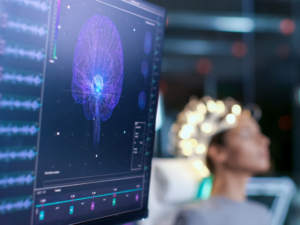
Concussions
- Rest and Observation: Adequate rest, both physical and cognitive, is crucial for concussion recovery.
- Gradual Return to Activities: Slowly reintroducing activities as symptoms improve under medical guidance.
- Monitoring Symptoms: Consistent monitoring of symptoms to ensure they don't worsen during recovery.
- Functional Neurology: Receiving treatment for an experienced functional neurology professional can help exercise your brain and restore it to full health.
Severe TBIs
- Hospitalization and Medical Intervention: Immediate medical attention and intensive care may be necessary.
- Rehabilitation Programs: Specialized therapies involving physical, occupational, and speech therapies to regain lost function. Functional neurology can also help relieve symptoms and enhance the healing process.
- Long-Term Monitoring: Continual monitoring and follow-up care to manage ongoing symptoms and potential complications.
Naples Brain Center Treats TBIs, Concussions, and More!
Knowing how to identify severe TBIs vs. concussions is essential for accurate diagnosis and appropriate treatment. While concussions often resolve with rest and time, severe TBIs may require extensive medical intervention and rehabilitation. Recognizing the signs, promptly seeking medical attention, and following recommended recovery protocols is critical for optimizing outcomes and ensuring the best possible recovery for individuals affected by these injuries.
If you or someone you love has suffered a traumatic brain injury, Naples Brain Center can help guide you down the road to recovery. We believe in a holistic and patient-centered approach to care, which is why we tailor our treatment plants to the specific needs and capabilities of each individual patient.
Let’s work together to design the perfect treatment plan for you; contact us today!
What Are Ketones? An Introduction to the Neurological Benefits of Ketone Therapy
Ketones have been gaining more and more attention in recent years, in part due to the popularity of ketogenic diet plans for weight management. However, many people still don’t know much about them. What are ketones? And, besides weight management, what potential health benefits do they offer? Can ketones be used to improve neurological function?
Believe it or not, they can. Ketone therapy, which involves the deliberate elevation of ketone levels in the body, has shown to be extremely beneficial in the field of functional neurology, especially when used in conjunction with hyperbaric oxygen therapy. That’s why Naples Brain Center is proud to partner with deltaG Ketones to offer our patients ketone therapy services.
A WADA, BSCG, & FDA GRAS-approved ketone supplement, deltaG Ketones were developed by scientists at the University of Oxford and the National Institutes of Health. Below, we’ll delve into how these ketones work and what benefits they offer functional neurology patients. To experience firsthand what deltaG Ketones can do for you, contact Naples Brain Center today!
What Are Ketones?
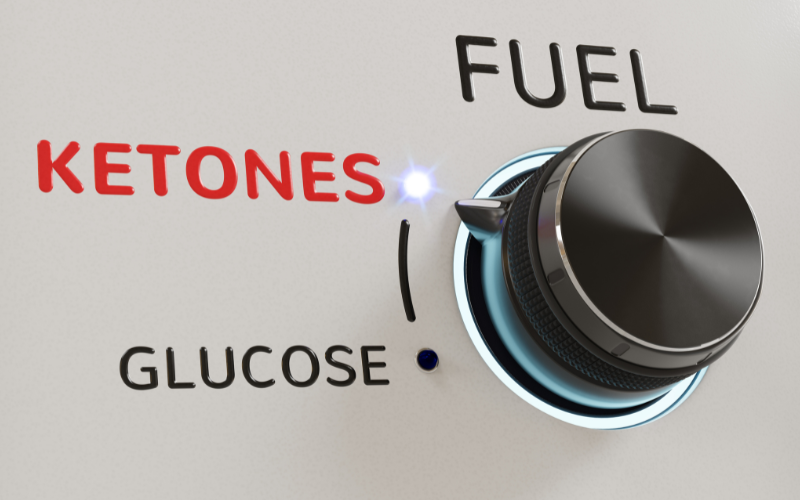
Ketones are molecules produced when the body breaks down fats for energy in the absence of sufficient carbohydrates. They serve as an alternative fuel source for the brain and muscles when glucose availability is limited, such as during fasting, a low-carbohydrate diet (like the ketogenic diet), or prolonged physical exertion.
The three main types of ketones produced in the body are beta-hydroxybutyrate (BHB), acetoacetate, and acetone. Of these, BHB is the most abundant. In fact, BHB can itself be divided into two subtypes: D-BHB (which supplies the body with efficient energy) and L-BHB (which is used less for energy and more to synthesize fatty acids).
High amounts of D-BHB can be found in deltaG Ketones, enabling patients to enjoy the benefits of ketone therapy without necessarily having to change their diet.
Benefits of Ketone Therapy
Ketone therapy involves intentionally elevating blood ketone levels through dietary modifications, supplementation with ketone salts or esters, or fasting regimens. This therapeutic approach has garnered attention for its potential in various health realms, including weight management, cognitive enhancement, epilepsy treatment, and neuroprotection.
By inducing a state of nutritional ketosis, ketone therapy offers several potential benefits:
Enhanced Cognitive Function
One of the most notable benefits of ketones is their capacity to enhance cognitive function. Research indicates that ketones serve as a more efficient and cleaner fuel for the brain compared to glucose, leading to improved mental clarity, focus, and concentration. Moreover, ketones have shown potential in mitigating the cognitive decline associated with aging and certain neurodegenerative conditions, offering hope for individuals seeking to preserve their cognitive abilities.
Neuroprotective Effects
Ketones exhibit neuroprotective properties that can safeguard the brain against various neurological disorders. Studies suggest that ketones possess antioxidant and anti-inflammatory properties, which help reduce oxidative stress and inflammation—two significant contributors to neurodegeneration. Additionally, ketones may enhance the production of brain-derived neurotrophic factor (BDNF), a protein crucial for neuronal survival and growth, further promoting neuroprotection.
Management of Neurological Conditions
Ketone therapy has emerged as a potential adjunctive treatment for various neurological conditions. Conditions such as epilepsy, where traditional treatments might be inadequate, have shown promising responses to ketogenic diets or exogenous ketone supplements. The anticonvulsant effects of ketones have provided relief to many individuals, especially those with drug-resistant epilepsy.
Moreover, research into the therapeutic applications of ketones in neurodegenerative disorders like Alzheimer's disease, Parkinson's disease, and even traumatic brain injury suggests that ketones can help patients manage these conditions by slowing down disease progression and improving symptomatology.
Improved Energy Metabolism and Brain Health
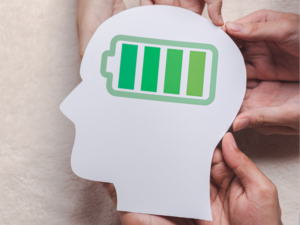
Ketone bodies act as an efficient energy source for the brain, particularly during times of glucose scarcity. This metabolic flexibility not only sustains brain function but also promotes overall brain health. Ketones provide a more stable and consistent energy supply, reducing the fluctuations commonly associated with glucose metabolism. This stability contributes to sustained mental clarity and alertness, which can benefit individuals seeking peak cognitive performance.
Weight Management and Metabolic Health
As noted earlier, ketone therapy has proven effective for weight management and improving metabolic health. Ketogenic diets, which induce ketosis by significantly reducing carbohydrate intake, have been effective in promoting weight loss and improving metabolic markers like blood sugar levels, insulin sensitivity, and cholesterol profiles. These metabolic improvements can benefit brain health, as conditions like insulin resistance and diabetes are linked to an increased risk of cognitive decline.
Learn More About deltaG Ketones at Naples Brain Center
While the benefits of ketones for functional neurology patients are impressive, we’ve only just begun to scratch the surface. Now that you know how to answer the question “What are ketones,” the next important thing to ask is “What else can ketones do for us?”
As ketone research continues and more neurological benefits are uncovered, there’s one you can be certain about: Naples Brain Center will be there every step of the way. We strive to provide our patients with the best and most up-to-date neurological health services. That’s why we’ve chosen deltaG Ketones to be our supplier of ketone supplements.
Do you think deltaG Ketones might be for you? Come into Naples Brain Center today and let us develop a personalized treatment plan just for you!

Natural Migraine Treatment: The Role of Nutrition & Lifestyle Changes in Migraine Management
Migraines are often debilitating and disruptive, and they affect millions of people worldwide. The result? Many people are unsure where to turn for effective, natural migraine treatment.
That’s where Naples Brain Center comes in. Here at Naples Brain Center, we believe in a holistic, patient-centered approach that emphasizes treating the whole person, not just the symptoms. When traditional medications aren’t enough, we’ve found that making small but fundamental changes to diet and lifestyle often helps patients reduce migraine frequency, severity, and overall impact on daily life.
In this post, we’ll look at some helpful migraine nutrition and lifestyle tips. By following these recommendations, you’ll be better equipped to manage your migraines in a healthy, non-invasive way. To learn more about holistic approaches to migraine management, schedule an appointment with Naples Brain Center!
Understanding the Migraine-Diet Connection
Migraine nutrition plays a crucial role in symptom management. Certain foods and beverages are known triggers for migraines in susceptible individuals. Common culprits include:
Potential Trigger Foods
- Tyramine-rich foods: Aged cheeses, processed meats, and certain fermented foods.
- Histamine-containing foods: Wine, aged cheeses, and fermented foods.
- Caffeine: Excessive intake or sudden withdrawal can trigger migraines in some individuals.
- Artificial additives: MSG (monosodium glutamate), nitrates, and aspartame may trigger migraines in sensitive individuals.
- Tannins: Found in red wine, tea, and certain fruits.
Migraine Nutrition Recommendations

Embrace Whole Foods
Prioritize a diet rich in whole, unprocessed foods such as fruits, vegetables, whole grains, lean proteins, and healthy fats. This approach minimizes exposure to potential triggers and provides essential nutrients that support overall health.
Maintain Hydration
Staying well-hydrated is crucial for natural migraine treatment. Dehydration can trigger migraines in some individuals. Aim to drink adequate water throughout the day and limit caffeinated beverages, opting for herbal teas or water instead.
Identify and Eliminate Triggers
Keeping a food diary can help identify personal trigger foods. Eliminating or reducing these triggers from the diet may significantly reduce migraine occurrences.
Lifestyle Changes for Migraine Management

Establish Consistent Sleep Patterns
Quality sleep is vital in migraine management. Irregular sleep patterns or inadequate sleep can trigger migraines. Aim for a regular sleep schedule, ensuring sufficient rest each night.
Stress Management Techniques
Stress is a common trigger for migraines. Adopt stress-reducing practices such as mindfulness meditation, yoga, deep breathing exercises, or engaging in hobbies to alleviate stress levels.
Regular Exercise
Regular physical activity can help reduce the frequency and severity of migraines. Aim for moderate exercise, such as brisk walking, swimming, or cycling, which can also alleviate stress and promote overall well-being.
Natural Supplements and Nutritional Support

Magnesium
Magnesium supplementation has shown promise in reducing migraine frequency and severity in some individuals. Consult a healthcare professional to determine appropriate dosages.
Riboflavin (Vitamin B2)
Studies suggest that riboflavin supplementation may help prevent migraines. Again, however, it's advisable to discuss supplementation with a healthcare provider before starting.
Coenzyme Q10 (CoQ10)
CoQ10 supplementation has demonstrated potential in reducing migraine frequency, although further research is needed to conclusively quantify its efficacy as a natural migraine treatment.
Get Professional Migraine Nutrition Guidance Today!
While nutrition and lifestyle modifications offer significant potential in managing migraines, it's crucial to adopt changes gradually and with personalized guidance. The healthcare professionals at Naples Brain Center can help you develop a natural migraine treatment plan based on your individual triggers, dietary needs, and overall health status.
That isn’t the only way we can help you with migraine management, of course. We’re proud to offer functional neurology for migraine treatment. We know that every patient is different, with their own specific goals and concerns. That’s why we make sure all our patients have their own personalized treatment plan that is unique to them. We can do the same for you. Call us today to set up an appointment!